Comparing Rural Life, Farming, and Community in Spain
“In my mind some farming style was unchangeable, however here I learned that things can be done in a different way, changing my perspective on farming practices.”
My name is Ahmet Ihsan Bagci, I am 26 years old, and I live in Şanlıurfa, Türkiye. I am a civil engineer, and apart from engineering, I also have a small garden with olive and pistachio trees. Because of this connection with farming and rural life, joining the LearnInRural volunteering project was a valuable opportunity for me.
My family and I used to live in a rural area, so I wanted to see the similarities and differences between rural life in Türkiye and rural life in Spain. I also wanted to meet people from different cultures, learn about farming techniques, share our own system, and compare it with the Spanish way of working. Another important motivation was to understand the life of immigrants, including the difficulties they face when living and working in another country.
Life in Alcalá la Real felt calm to me. One reason is that there are not many young people living there. The main source of income in the area is olive farming, and because of this, there is often a need for workers. Many young people leave rural areas because there are fewer social activities and fewer job opportunities compared with big cities. This creates a challenge for the community and for the future of rural life.
Agriculture is also affected by climate conditions. Climate change and irregular rainfall have reduced the productivity of olive groves. This situation affects many families. I heard from several people that some owners rent out their olive fields to companies because they do not have enough time to take care of them. After maintenance costs, the remaining profit is not always satisfying, so for some people, the work does not feel worth the effort.
During the project, I also observed the role of migration in Alcalá la Real. There are many Latin American and African people living in the town, and people seem to coexist respectfully. I felt that the locals were kind and that there was no visible discrimination. At the same time, I noticed that anyone moving there should learn Spanish because not many people speak English. For migrants, language is an important part of participation in community life.
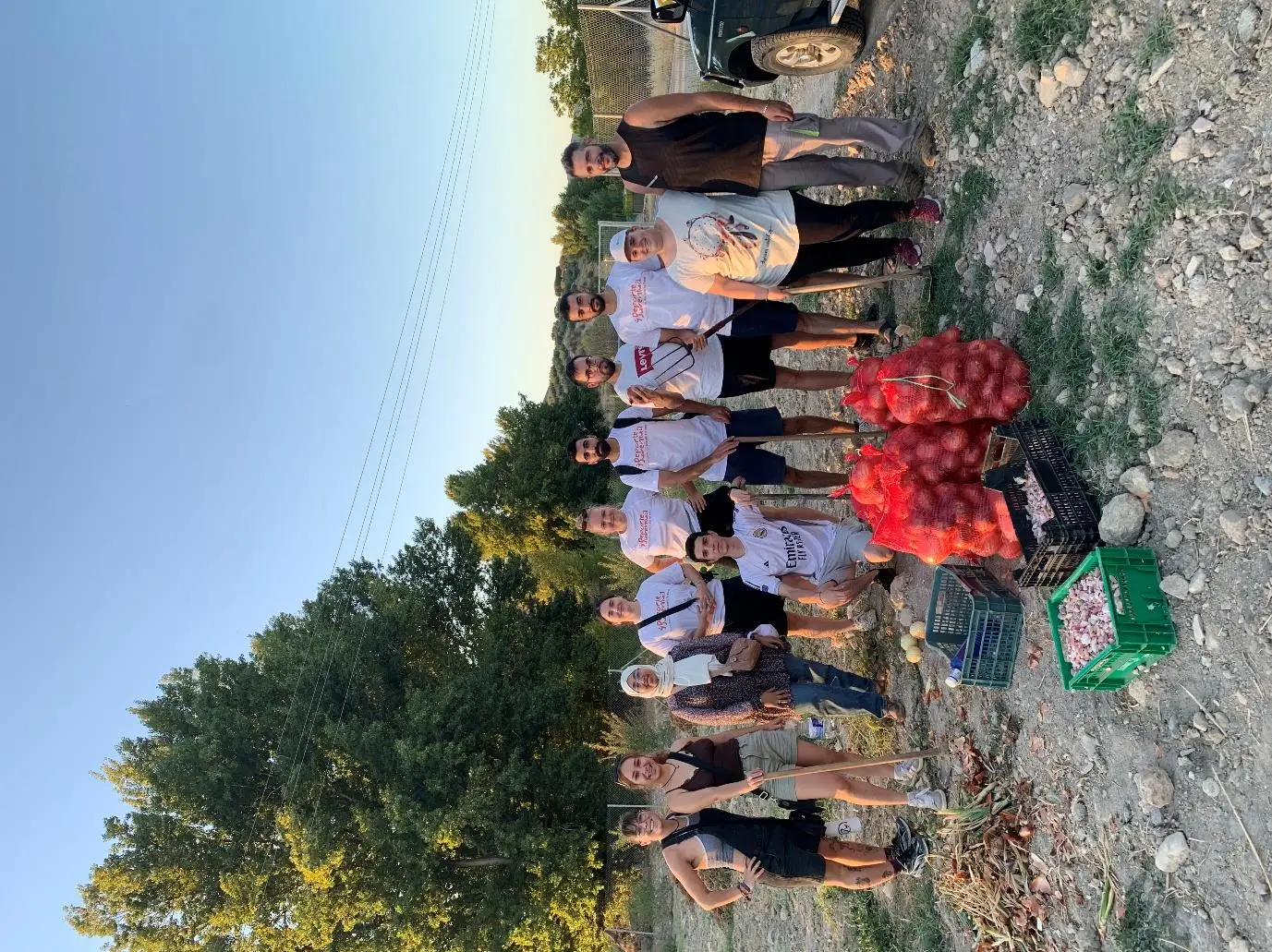
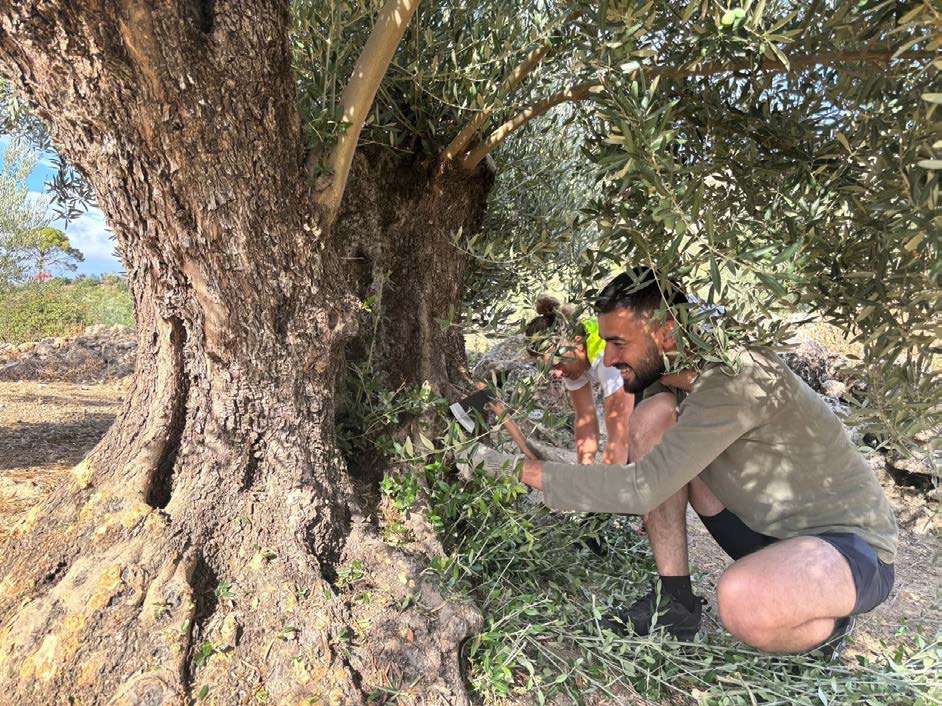
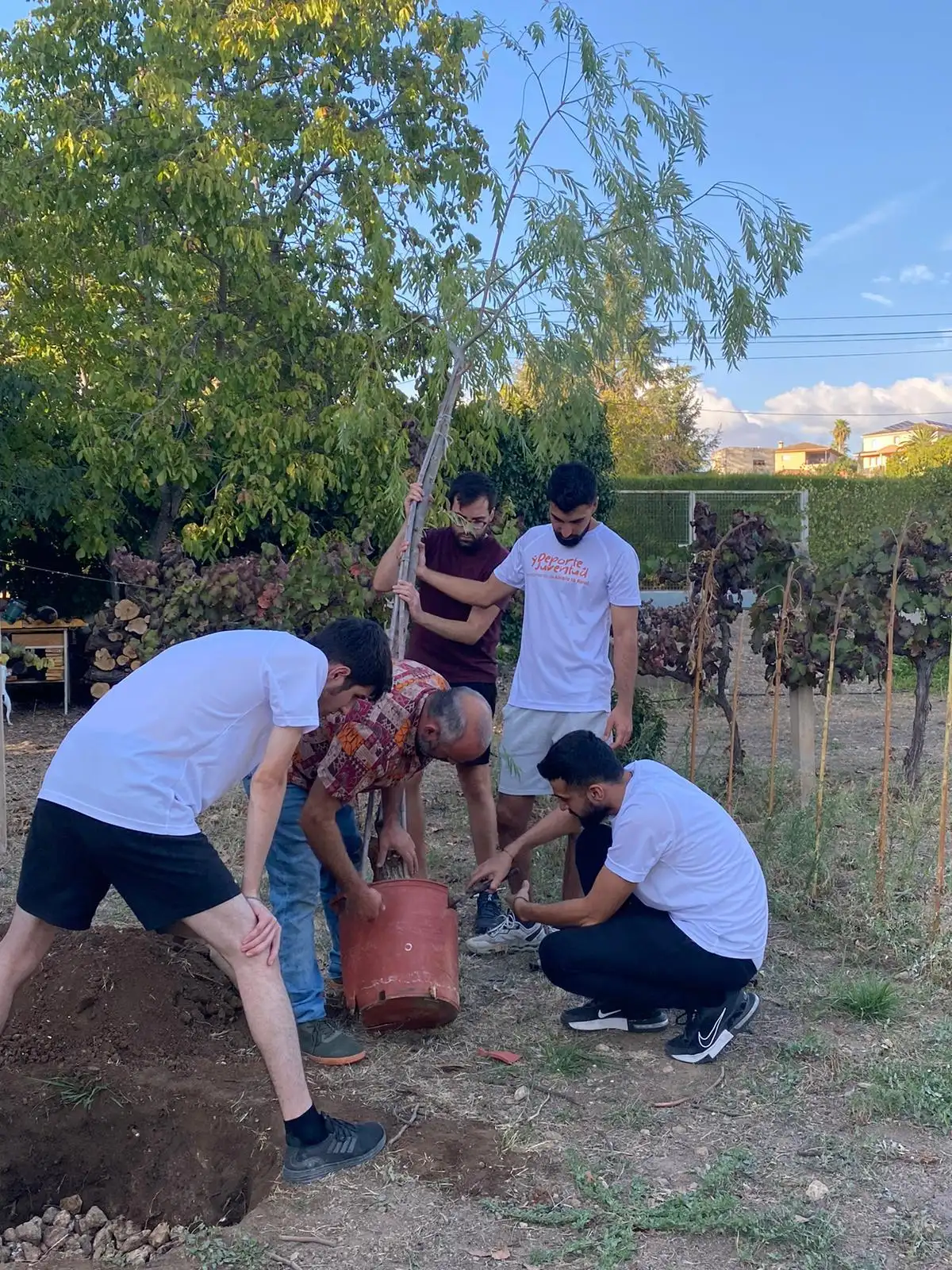
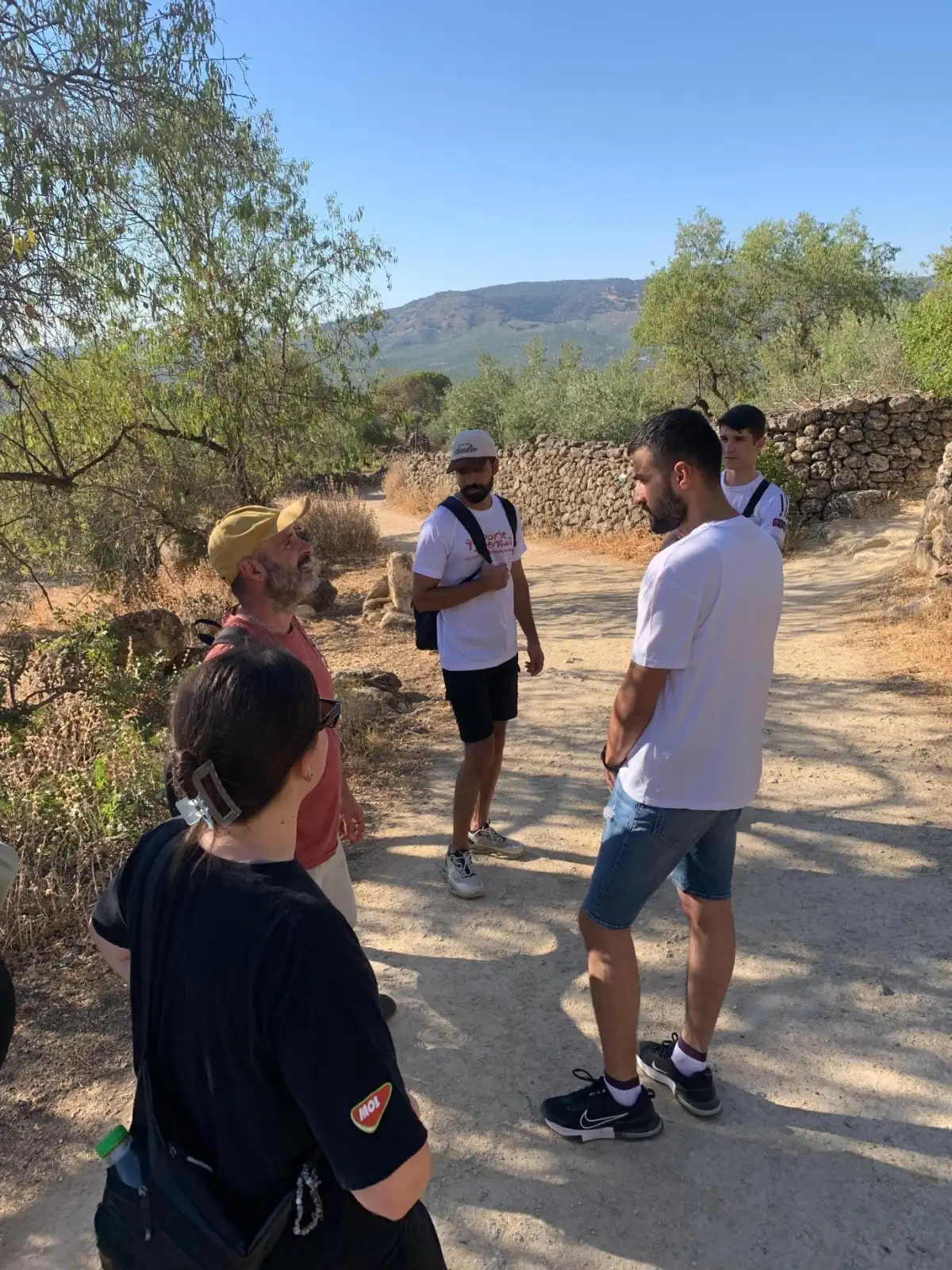
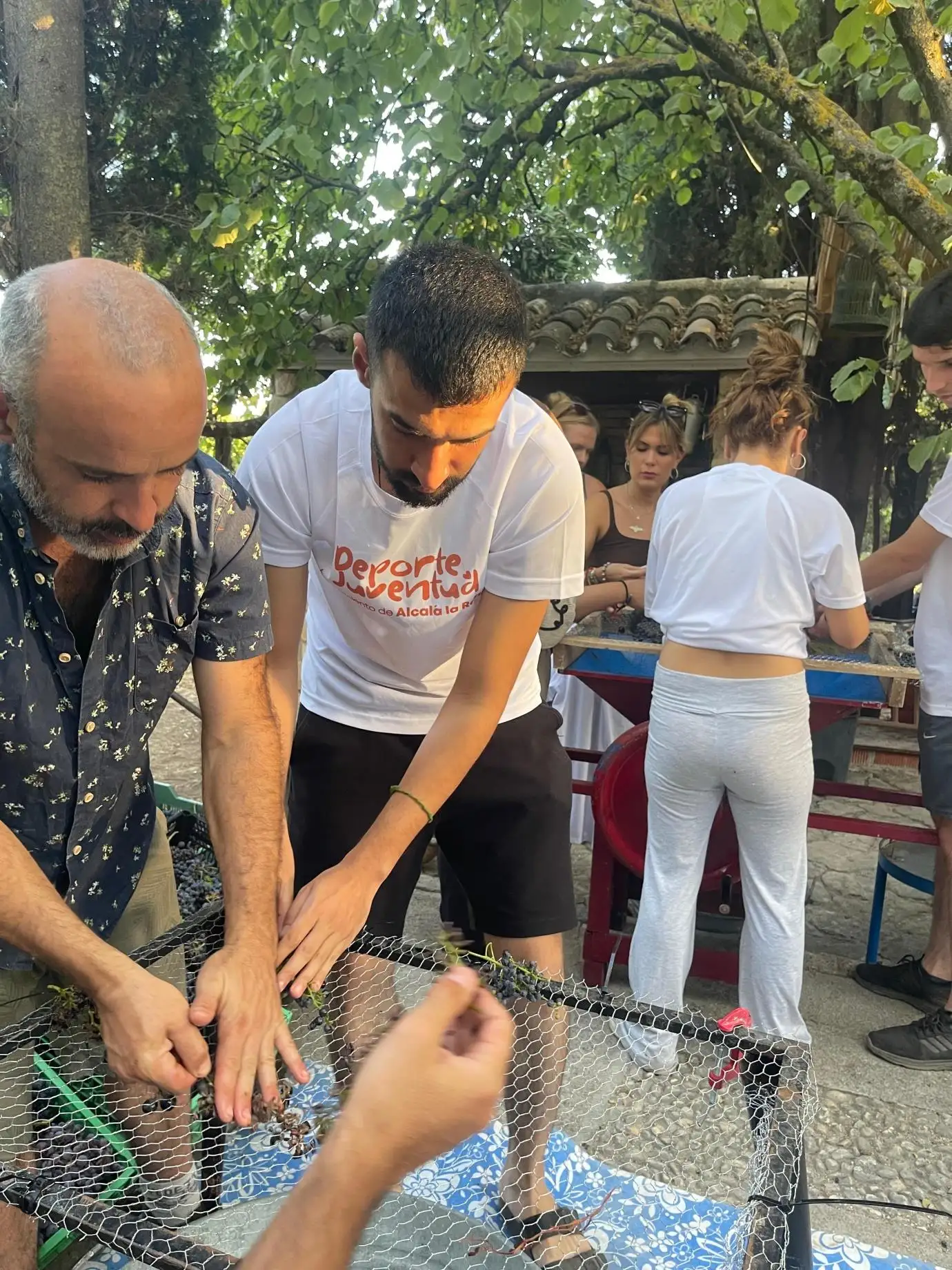
The LearnInRural project helped me develop personally and practically. I learned how to control my financial budget, how to live with people from different cultural backgrounds, and how to adapt to the Spanish lifestyle. I also learned more about taking care of land and olive trees, and I had the chance to explore the town, nature, and historical places.
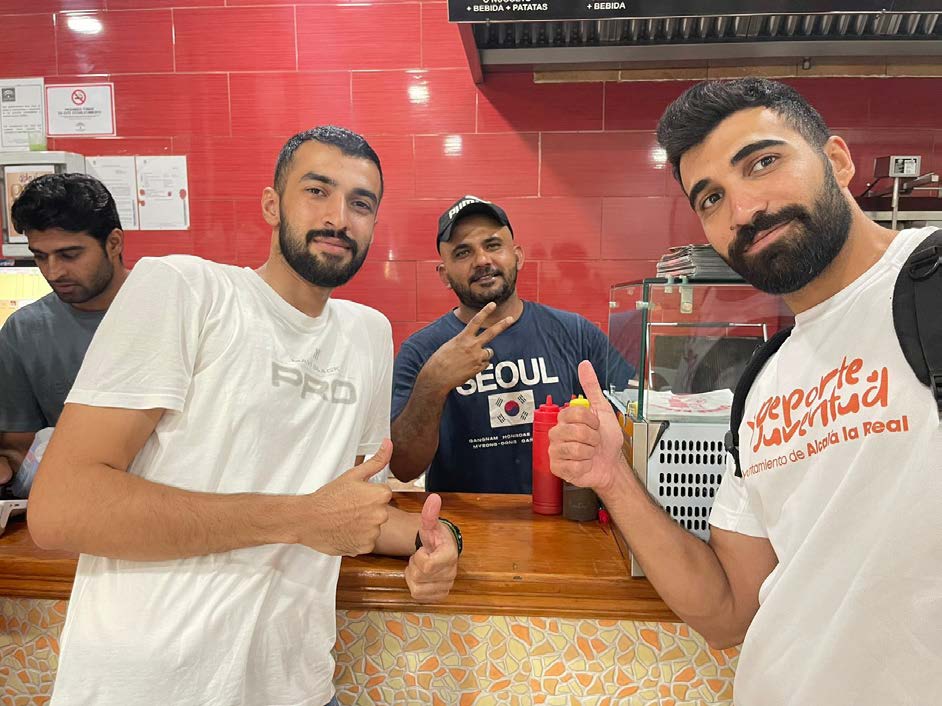
One of the important parts of the project was preparing to interview immigrants. This helped me improve my empathy skills and think more deeply about the lives of people who move from one country to another. Listening to different experiences made me reflect on the meaning of adaptation, work, and community support.
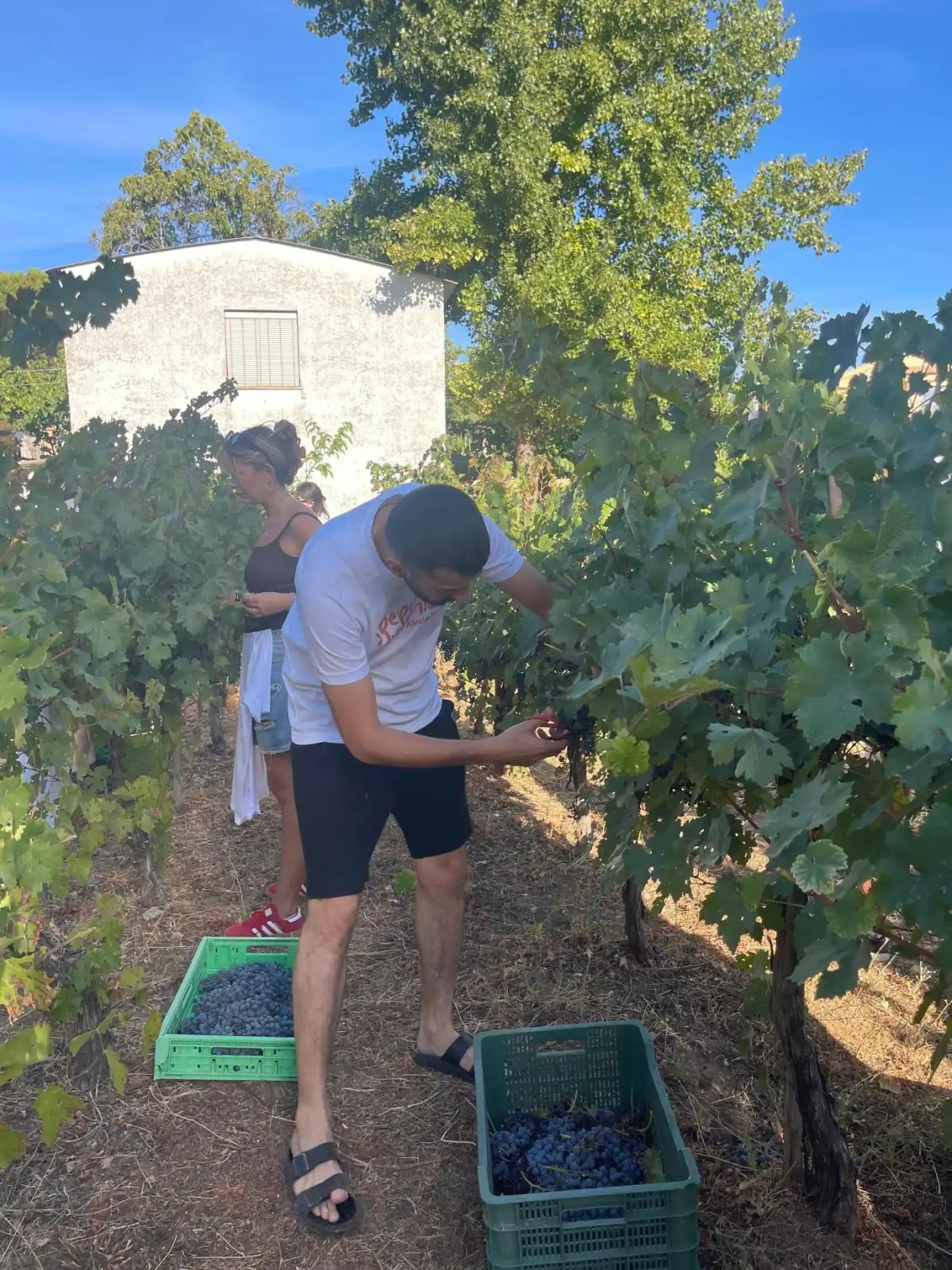
Before this project, I had some fixed ideas about farming. In my mind, some farming methods felt almost unchangeable. However, during the project, I learned that things can be done in different ways. Seeing Spanish farming practices changed my perspective and helped me become more open to different techniques and approaches.
This experience changed my perspective on life. I am grateful that I joined the LearnInRural project because it helped me learn from people, agriculture, culture, and daily life in a rural community.