Finding Belonging in the Rhythm of Rural Spain
“Life moves slower, but it feels more intentional. People take time for each other, and not just out of obligation, but because connection is simply part of daily life.”
My name is Laura, and for the past few years I have been living in Denmark, studying and working in the field of innovation and organizational development. When I first came across the LearnInRural project, it immediately resonated with me. I liked the idea of connecting with local communities, supporting inclusion, getting to know a new culture, and learning from the rhythm of rural life.
Before coming to Alcalá la Real, I had mostly lived in big cities. After years in a highly structured and fast-paced environment, I felt a strong desire to engage in something more grounded and human. I also felt that this project would allow me to contribute meaningfully while becoming part of a diverse community and team of volunteers.
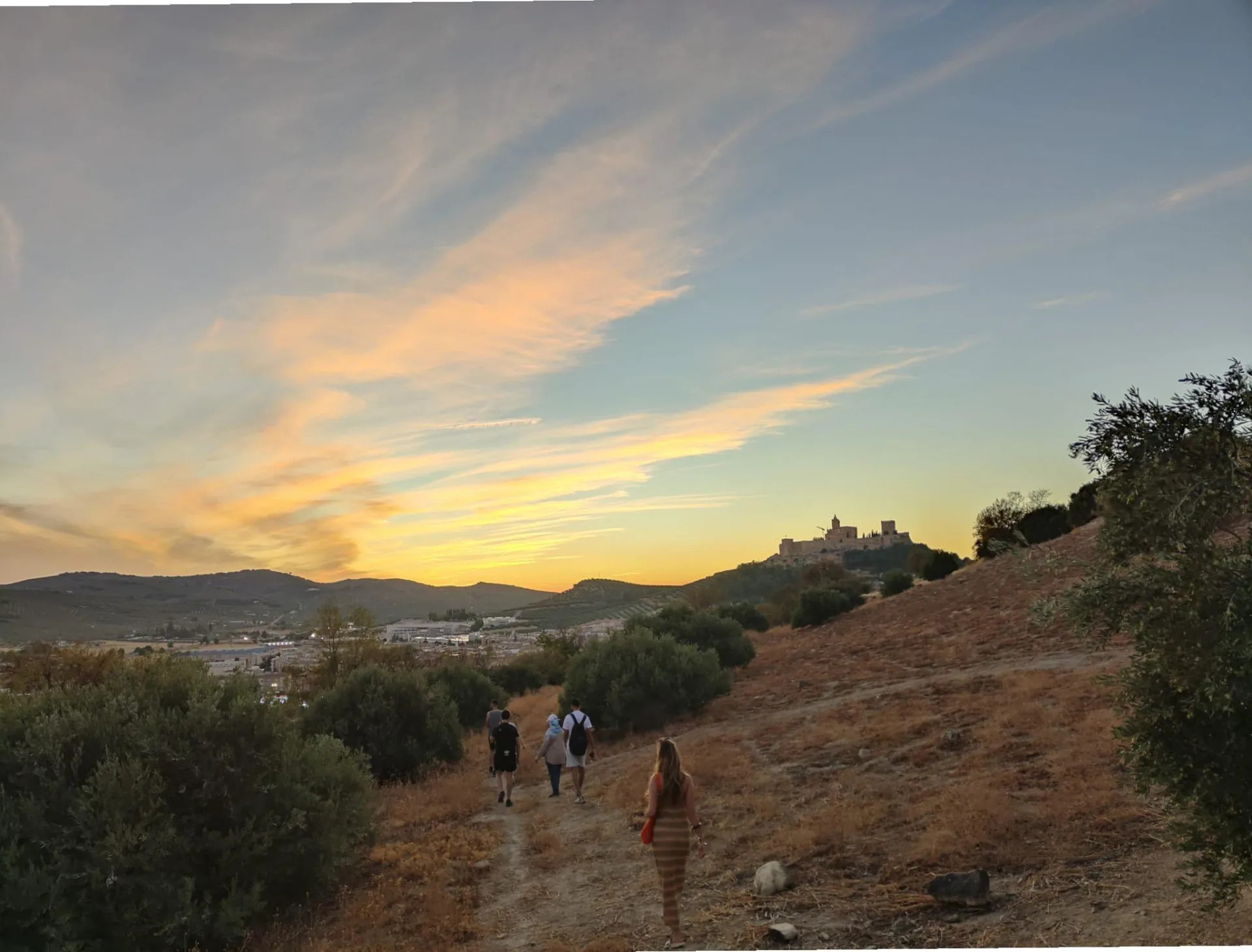
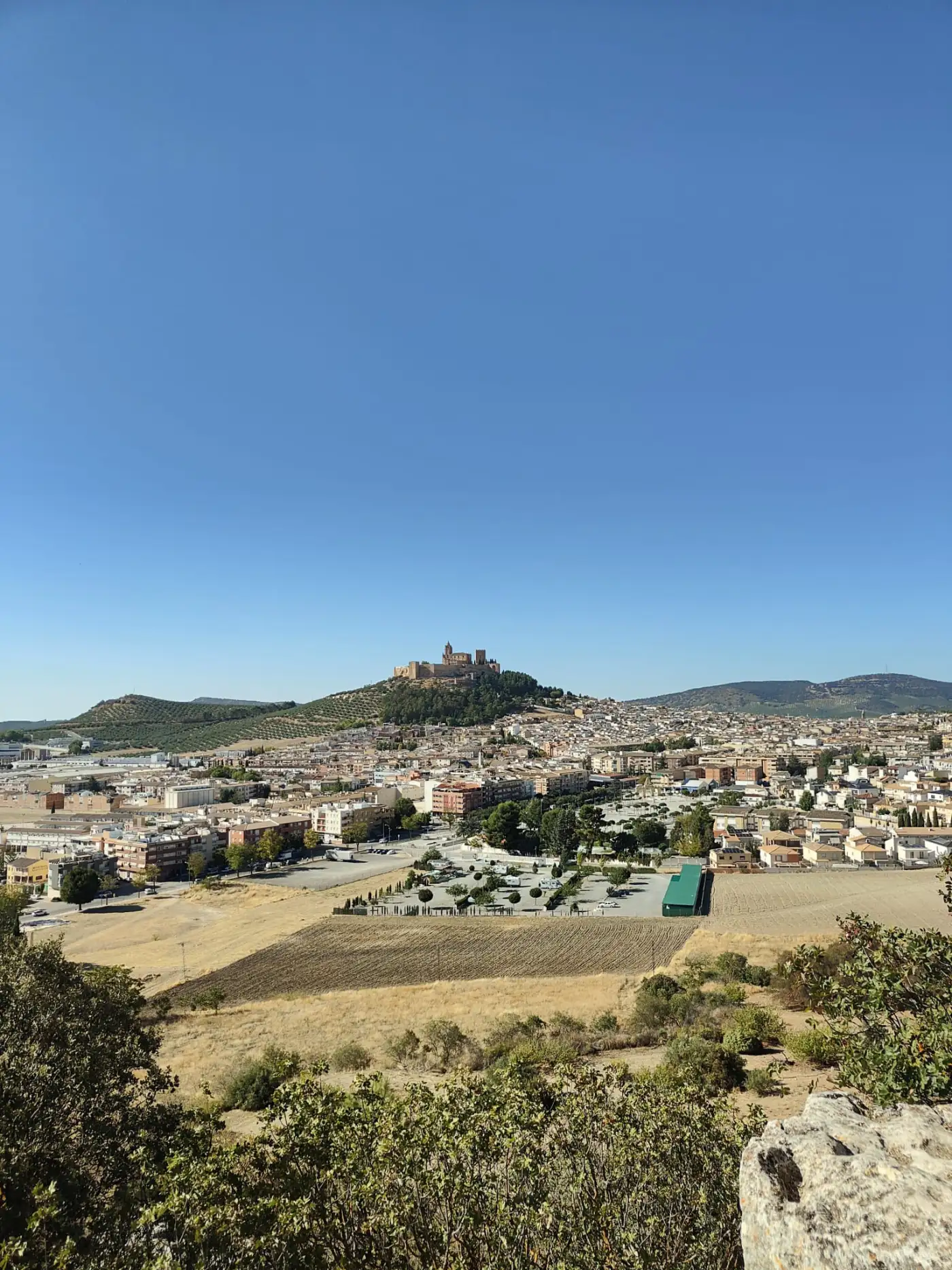
Living in Alcalá la Real was a refreshing change from the big-city environments I was used to. It is a small local town where faces quickly become familiar, which is something that rarely happens in places like Budapest or Copenhagen. In Alcalá, people greet you on the street, remember you, and genuinely ask how you are doing. Over time, I started recognizing people at the gym, chatting with the same shop owners, and feeling a quiet sense of belonging through everyday encounters, even though I only spent one and a half months there.
What struck me most was how naturally community forms in Alcalá la Real. Life moves slower, but it feels more intentional. People take time for each other, not only out of obligation, but because connection is part of daily life. This was something I often noticed through Antonio and my Spanish teammate Dani. It was a rhythm I was not used to, but one I came to deeply appreciate.
At the same time, I also noticed some of the challenges of rural life. Opportunities, especially for young people, can feel limited. Public services and entertainment options are fewer than in larger cities. Many local people mentioned how difficult it can be to find stable work, and how seasonal jobs shape the rhythm of life. These realities made me reflect on the quiet strength it takes to stay and build a life in a rural place, and also on the value of continuity and belonging that rural towns preserve.
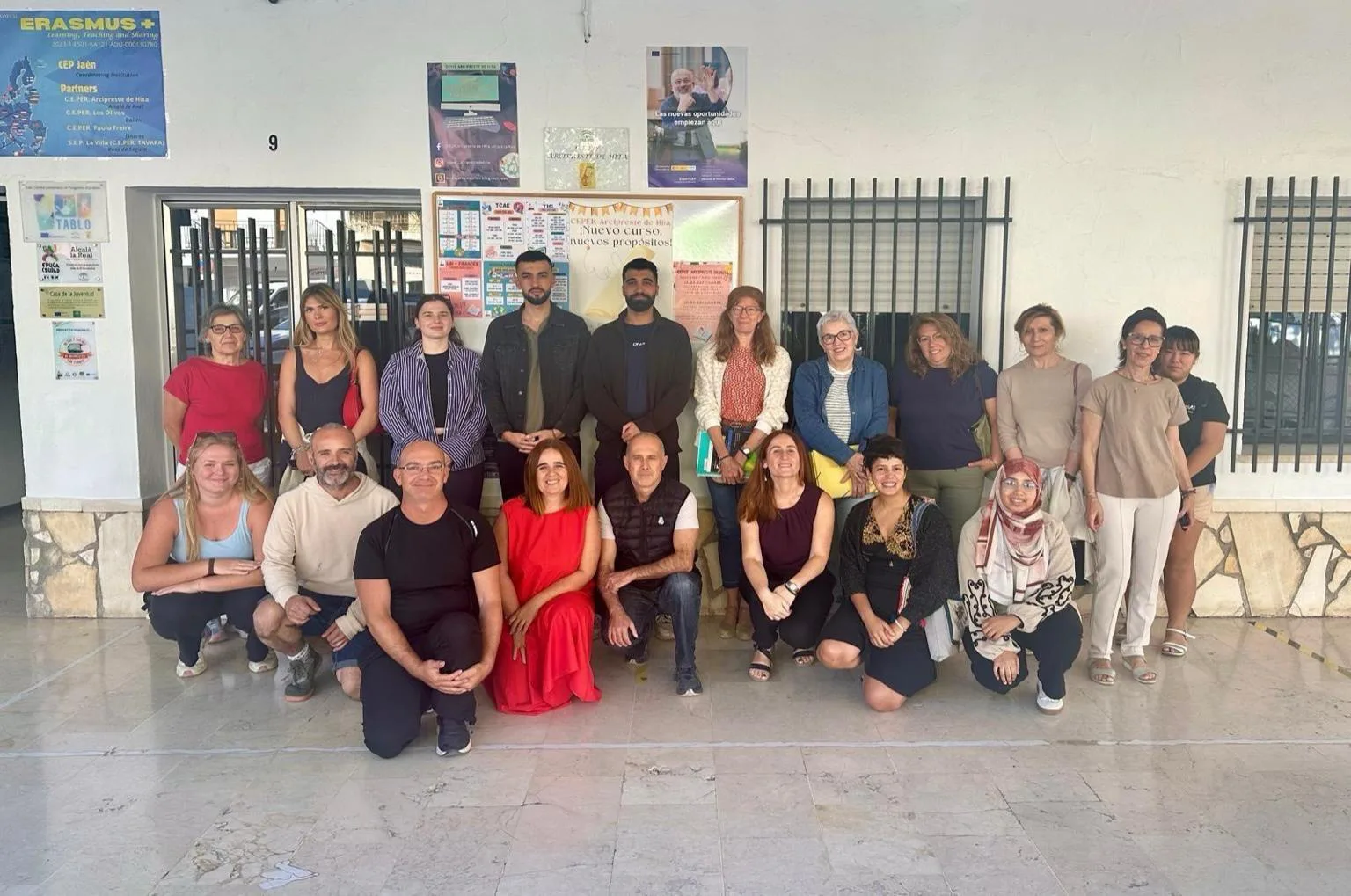
During the project, our team was actively involved in local life. We supported rural families and small businesses during the agricultural season, learning directly how important collaboration is in a town where people know each other. One of my favourite memories was visiting Antonio’s small vineyard to learn about wine production. It was a day full of laughter, curiosity, interesting learning moments, and tasty grapes. It was also special to be part of something rooted in tradition.
Beyond agricultural activities, we worked on educational and intercultural actions such as Café de Idiomas, workshops for young people, and English classes at CPEP. These moments quickly became some of my favourites because they were lively, full of laughter, small breakthroughs, and genuine curiosity. What I first imagined as structured lessons and activities often became spontaneous exchanges about language, culture, and everyday life.
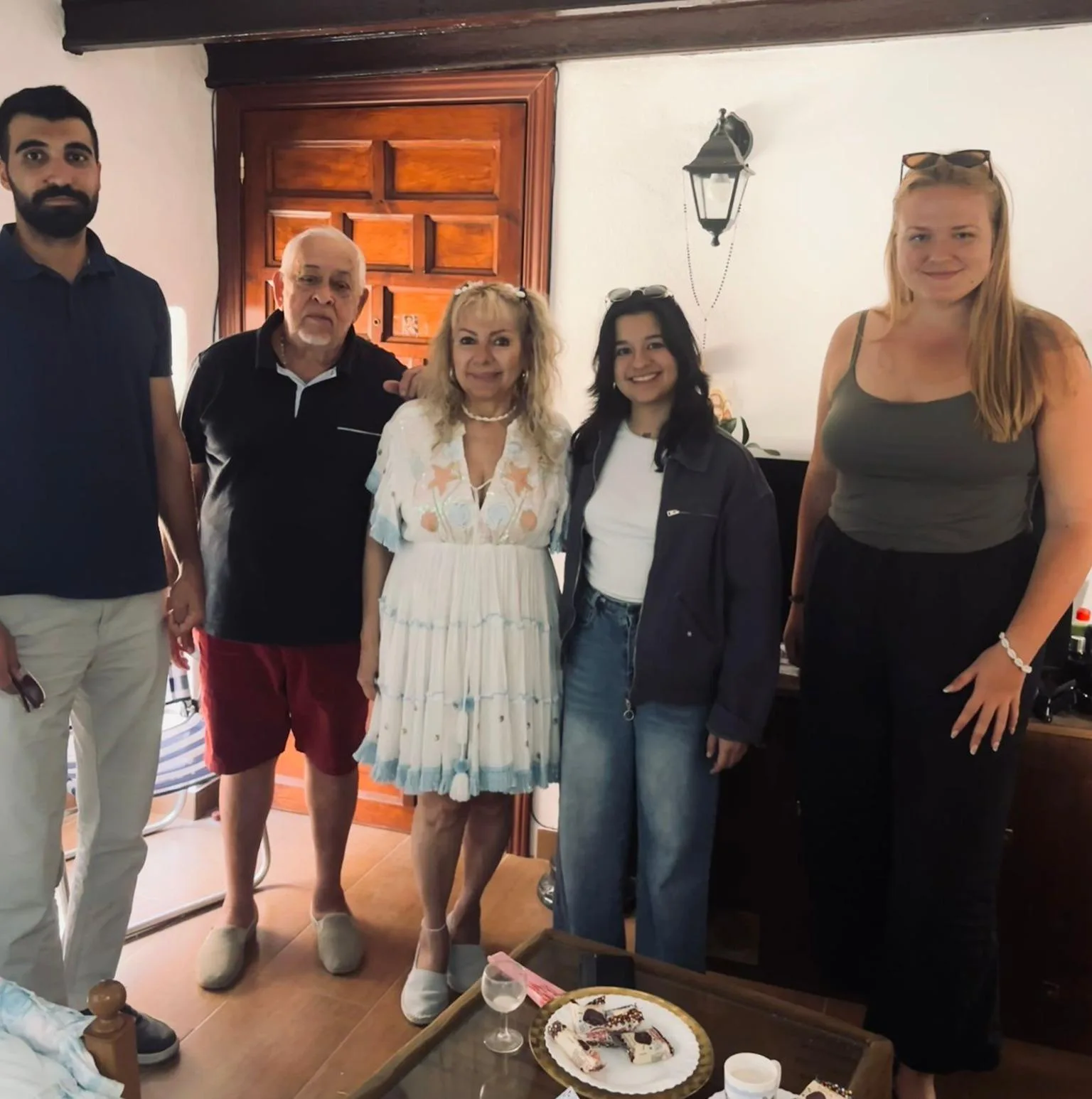
Another meaningful part of the project was our contribution to the LearnInRural docu-series. Our group interviewed an elderly couple and a young girl from South American migrant families to share their stories. Hearing their experiences about hard work, hope, and identity was both humbling and inspiring. It reminded me how powerful storytelling can be in bridging gaps between communities. I even received a bracelet from the lady in the elderly couple, which became a sweet memory of how welcoming they were with us.
Working in a multicultural team also taught me a lot about myself. Being from Hungary and having lived in Denmark for years, I was used to structure and quiet order. In rural Spain, collaboration meant learning to embrace spontaneity, warmth, and the occasional beautiful chaos of group work. I learned to listen more deeply, find common ground when perspectives differed, and appreciate how different ways of working can complement each other.
The project strengthened my empathy and teamwork skills, while helping me develop greater flexibility, intercultural communication, and problem-solving abilities. I became more comfortable stepping into uncertainty, taking initiative when needed, and trusting the process, even when things did not go exactly as planned.
In many ways, this experience reshaped how I approach collaboration. It reminded me that creativity and understanding often emerge from difference, and that rural communities can teach important lessons about connection, resilience, and belonging.