Listening to Migration Stories and Rediscovering Human Connection
“I still remember one of them saying, with striking confidence, after crossing the sea for four challenging days just to reach Spain: “A better life is worth the risk.””
My name is Amina Alaoui. I am a 24-year-old Moroccan journalist working for an international radio station based in Tangier. I hold a Bachelor’s degree in Journalism and Communication from the Higher Institute of Information and Communication in Rabat, where I graduated in 2022.
In my daily work as a young journalist, I regularly cover international news, with a particular focus on conflicts, war zones, and their human impact. My interest in human-centred storytelling began early in my studies. Before graduating, I worked on a short documentary, produced during a cultural exchange programme with a Belgian colleague, about sub-Saharan migrants living in Morocco. That project deeply shaped my understanding of migration, resilience, and identity. Throughout my career, I have produced several reports on migration and displacement, always guided by the belief that behind every political or global crisis, there are individual stories that deserve to be heard.
This is exactly what attracted me to the LearnInRural project. I wanted to engage directly with migrants living in Alcalá la Real, Spain, and better understand their daily realities, challenges, and aspirations beyond what can be captured from behind a microphone or a newsroom desk. In addition to the professional and human aspects of the project, I was also motivated by the opportunity to develop new skills, step outside my comfort zone, and experience a different cultural and social environment.
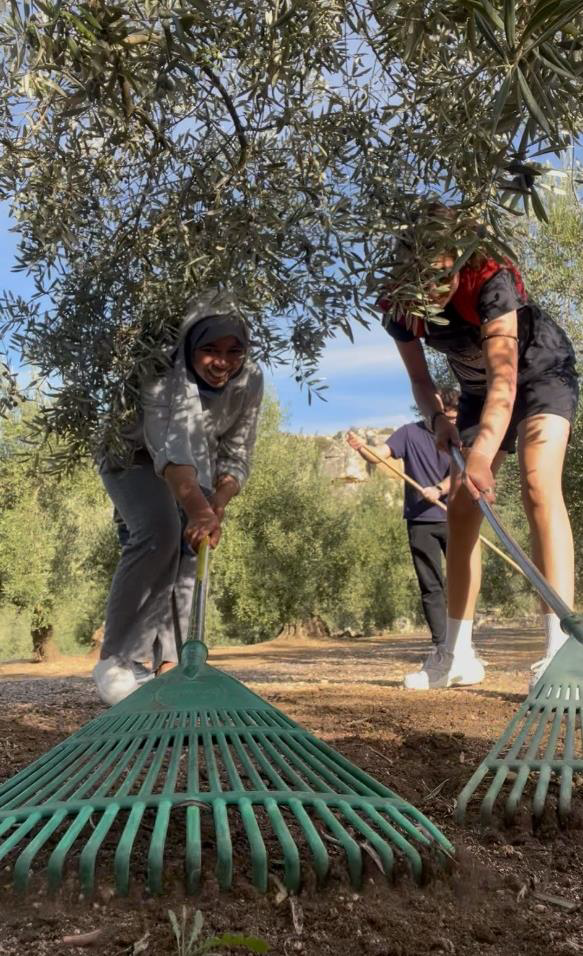
Alcalá la Real is a peaceful, calm, and genuinely beautiful place. During our time here, we discovered that life in this rural area is deeply connected to agriculture, and agriculture depends heavily on the sky. A good year of rain means a better economic year for families who rely on olive fields and the land. However, when rainfall is scarce, the entire community feels the impact. This is one of the main rural challenges in Alcalá la Real.
Another challenge is that some families are considering selling or renting their land to large investors with modern machinery. After years of hard work and limited returns, many feel they can no longer manage their fields in the way they used to. Despite these difficulties, the spirit of the community here is truly inspiring. Alcalá la Real is a welcoming place, full of friendly and kind people. Although the population is mostly older, many residents remain active and involved, especially through initiatives created and led by young people.
This experience has strengthened my commitment to covering migration stories with more empathy, accuracy, and depth. It also inspired me to continue working on projects that highlight social inclusion, intercultural dialogue, and human dignity. The project gave me the opportunity not only to interact with migrants on a deeply human level, but also to experience rural life, cultural diversity, and community engagement from within. My time here has been enriching in every sense of the word.
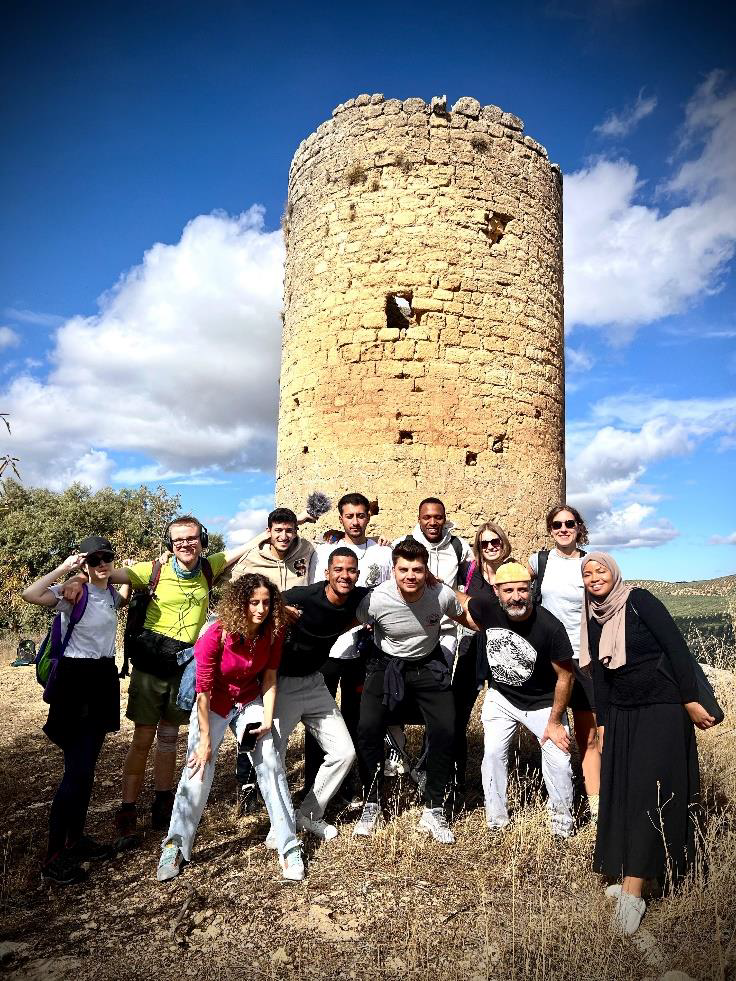
Beyond the professional and personal lessons I gained, I was profoundly inspired by our coordinator, Antonio, whose dedication to his hometown demonstrates how powerful one person’s ideas can be when they are rooted in genuine love for their community. I also learned that when young people from different backgrounds come together, they naturally create a space where creativity can grow and every voice adds value.
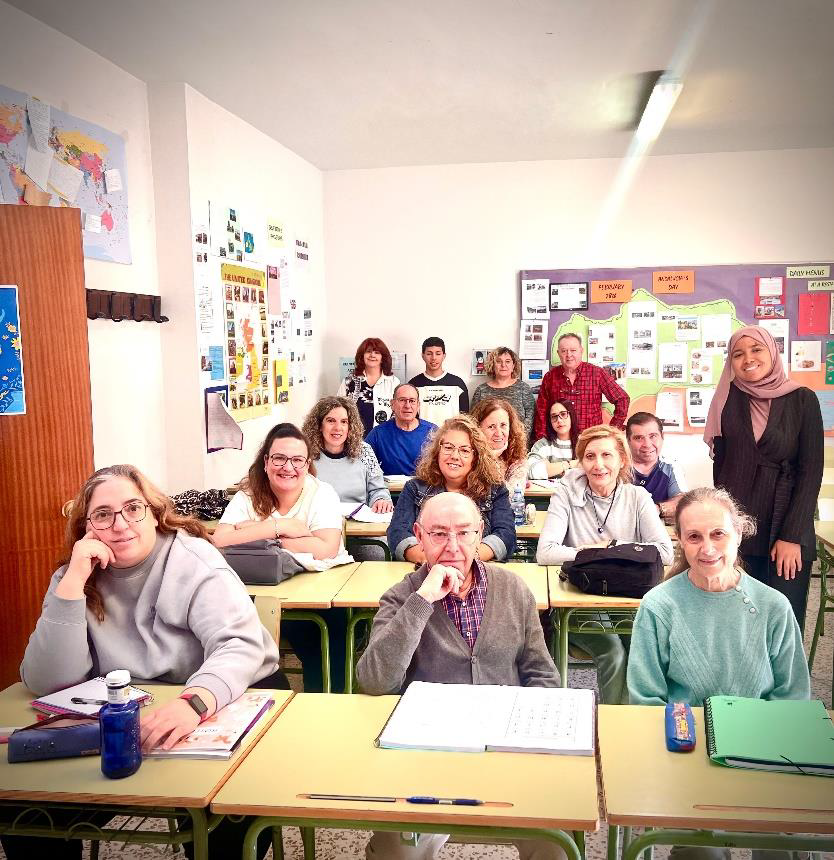
Through long conversations with volunteers from other countries, I realised that many of us are navigating similar uncertainties in our twenties, sharing similar fears, confusion, and hope that we will eventually overcome the challenges ahead. Working with older adults during their English sessions also reminded me that learning has no age and no limit. I admired their determination to continue growing, regardless of age.
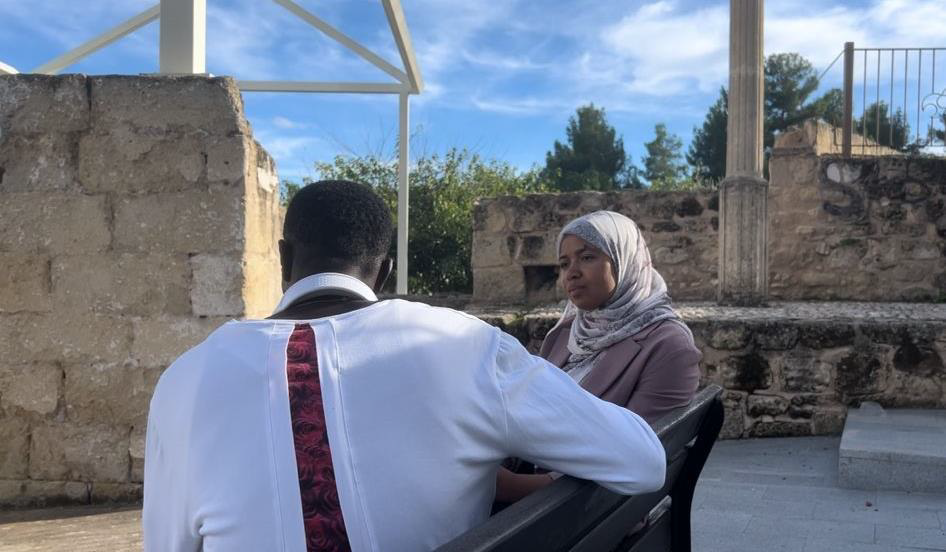
My encounters with migrants, especially those from sub-Saharan Africa, touched me deeply. I still remember one of them saying, with striking confidence, after crossing the sea for four difficult days to reach Spain: “A better life is worth the risk.” That sentence stayed with me because it expressed both the pain and the hope carried by many migration journeys.
Coming from a demanding professional environment, where I was constantly exposed to heartbreaking news about wars and rising death tolls in Gaza, Sudan, and Ukraine, this project felt like a necessary pause. It gave my ambitious and hopeful spirit space to breathe again.
This experience brought me closer to myself. It helped me discover strengths I had not fully recognised before and reminded me of the beauty found in people, stories, and small moments. I loved everything here: the faces, the experiences, the places, and the support we shared, despite the short time we spent together. It also taught me to feel grateful again in ways I had almost forgotten.
I truly believe this experience is a turning point in my professional journey. It opened my eyes to wider horizons and reminded me why I chose a path centred on humanity, empathy, and meaningful change.