Seeing Alcalá la Real Again Through Volunteering and Migration Stories
My name is Patricia and I am from Spain. I recently completed my Master’s degree at university and decided to return to Alcalá la Real for a few months to spend time with my family and take a pause after my studies. During my first weeks back in Alcalá, I realised that there were very few young people around me. Most of my friends had left the town and moved to larger cities in search of better opportunities. Because of this, I initially thought that my time in Alcalá would be quiet, with limited activities and not much to do.
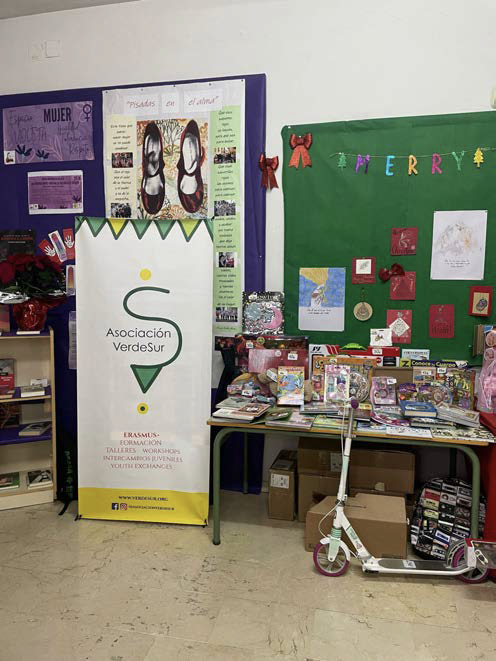
However, I then heard about VerdeSur and its different projects, which immediately caught my interest. I had a meeting with Antonio, who explained how the association works and introduced me to the LearnInRural project. After learning more about it, I had no doubts that I wanted to take part. I was especially excited by the idea of participating in an Erasmus-related opportunity that would allow me to meet people from other countries, as I feel very comfortable in multicultural environments.
I also saw this experience as an opportunity to learn from migrant people about their lives in Alcalá and, in some way, to update my own understanding of the current situation in the town, including issues related to young people, migration, local events, and opportunities.
During my volunteering period, I reinforced my view that Alcalá is not a well-connected town. It is relatively easy to travel to Granada, but reaching cities such as Córdoba or Jaén can sometimes be difficult because of limited timetables. Travelling to places such as Málaga or Sevilla is also complicated due to the lack of direct bus connections. It can also be difficult to reach some of the surrounding villages. In this sense, living in Alcalá often requires having a car in order to move around easily.
Another challenge I observed is related to language. Migrant people do not always speak Spanish, while many local people in Alcalá do not speak English. As a result, language can become a real barrier to communication and integration into the local community.
At the same time, one of the positive aspects mentioned by many migrants is the strong sense of community in Alcalá. They described local people as respectful, friendly, and kind. Several migrants felt that they had received support from local people during difficult moments. For this reason, despite transport limitations and language difficulties, many migrants referred to Alcalá as a comfortable and warm town to live in.
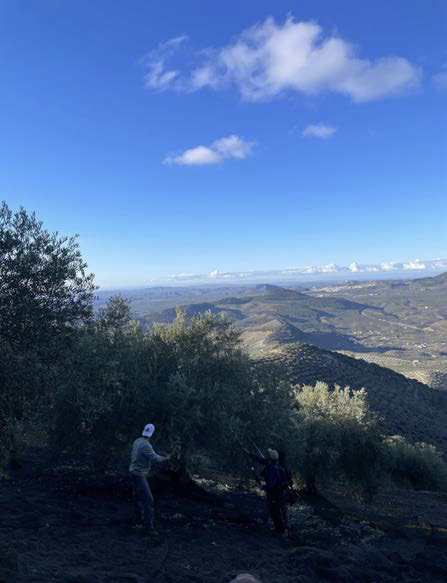
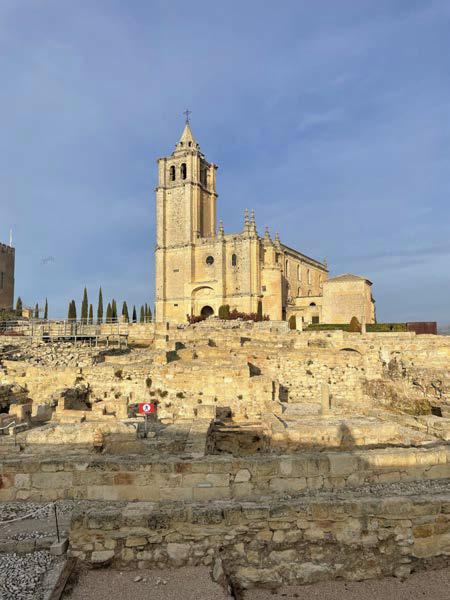
At the beginning of the experience, I was not sure what Alcalá could offer to foreign volunteers. However, during the programme, I realised that Alcalá has much to offer not only to local people, but also to visitors. I discovered parts of the town, local customs, and aspects of rural life that I had not known before, even though I am from here.
During this period, I also gave Spanish lessons to an Algerian family. After several weeks of lessons, I realised how helpful local people can be to migrants simply by teaching them basic Spanish and supporting their ability to communicate more easily with the community.
I was also surprised by the size of the Moroccan community in the town and by the strong sense of connection they have created among themselves. Many migrants from other countries mentioned that they would like to find a similar community from their own countries in Alcalá, as this would make life feel warmer and more supportive for them.
Finally, I became more aware of the situation of young people in Alcalá. Many young adults work in factories, as I do, and it seems that not many are able to find employment related to their studies. As a result, many young people feel forced to leave Alcalá in search of professional opportunities elsewhere.
After this volunteering experience, I feel more aware of the main challenges facing Alcalá. I do not know whether the issues affecting young people can be fully resolved, but I have learned practical ways to support migrants in the town. Participating in the migrant shelter, giving Spanish lessons, or simply offering directions and recommendations when needed can be very helpful and can make migrants feel more supported.
During these 45 days, I improved my English and French skills, and I also became more confident speaking in public in different languages. I was able to make new friends, which is especially meaningful for me because I consider myself a shy and introverted person.
I am very grateful to have been part of this experience. It has changed the way I see Alcalá, giving me a different perspective from the one I had throughout my life.