Seeing Rural Life Through New Eyes in Alcalá la Real
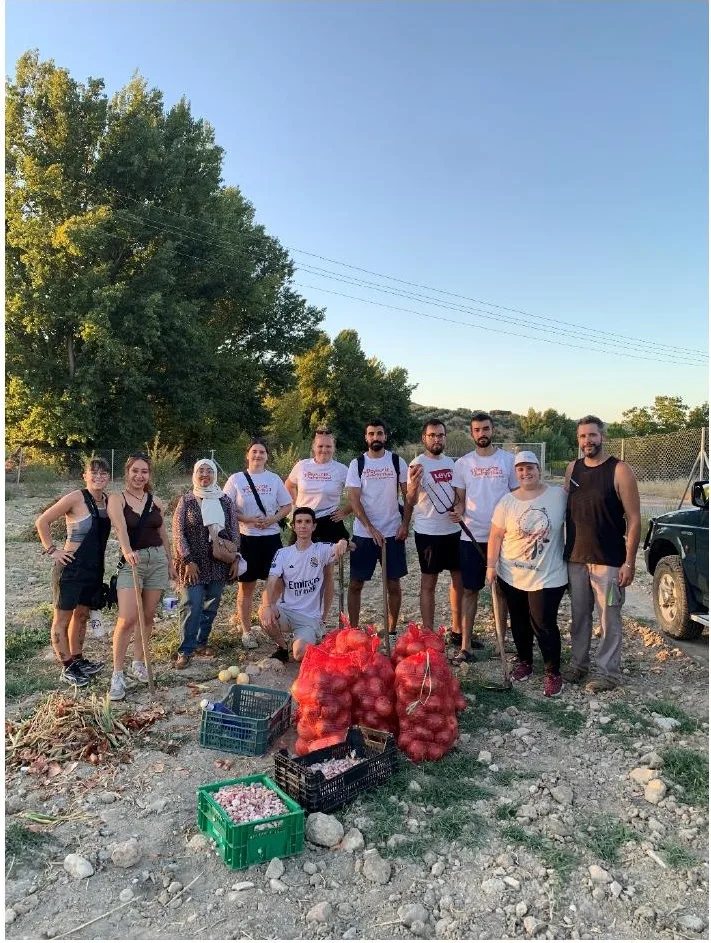
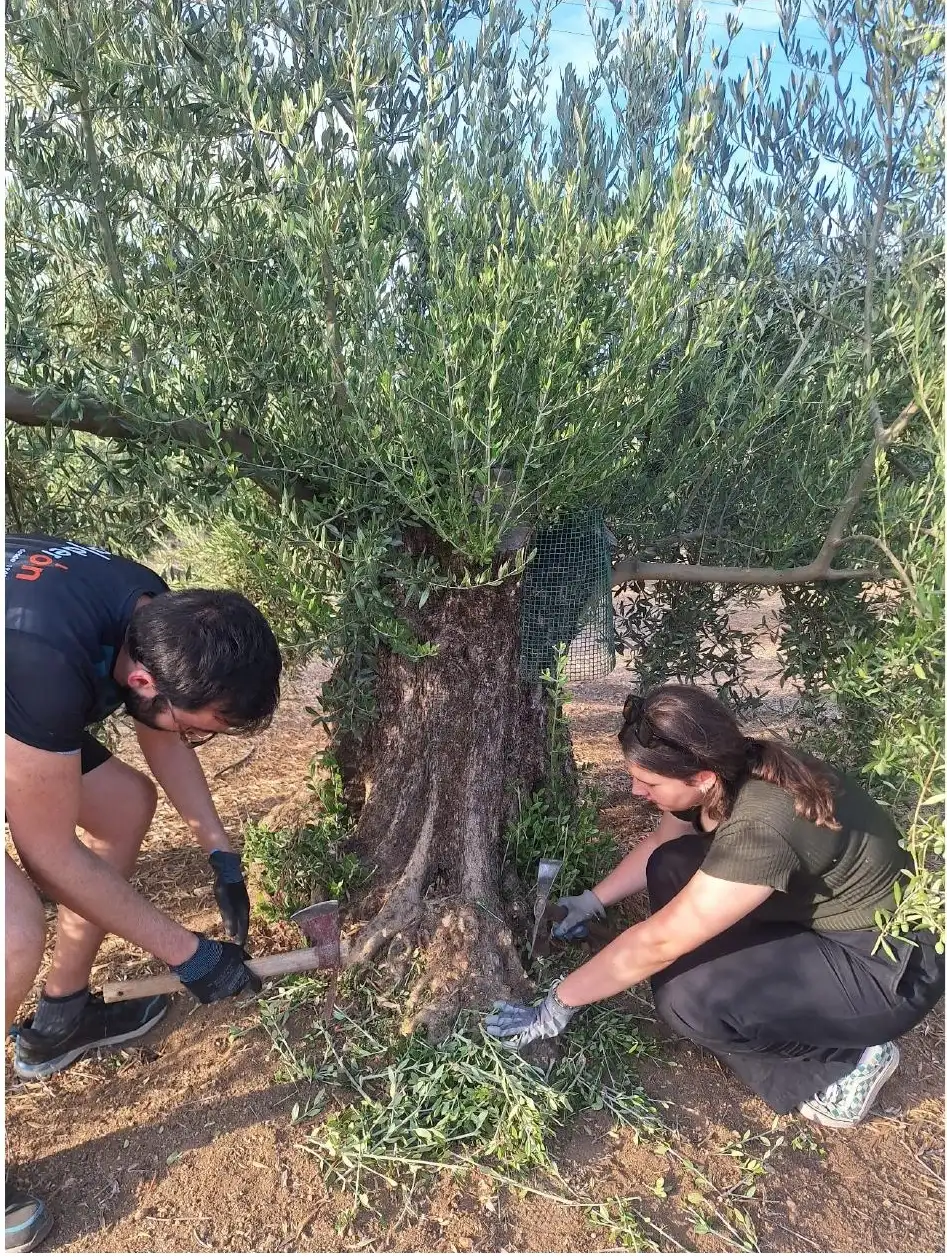
My name is Daniel, I live in Alcalá la Real, and I was part of the LearnInRural volunteering project. Joining this project was an important decision in my life because it gave me the opportunity to connect with new people, enter the rural world from a different perspective, and share my own culture with international volunteers.
During the project, I learned about rural life not only from my own experience as a local person, but also through the eyes of volunteers from other countries. The Turkish team’s perspective helped me see familiar places in a new way. At the same time, I shared stories from Spanish culture with the group, and I felt grateful because everyone was respectful and open-minded.
One of the most meaningful parts of the project was supporting my team during interviews with migrant people. Through this activity, I met people from China, Morocco, Pakistan, and South America. I listened to their stories directly and reflected on the question: “Why do people come here?” These conversations helped me understand Alcalá la Real as a place shaped by movement, work, family decisions, and cultural diversity.
Alcalá la Real is located in Jaén. It is a town with strong culture, tradition, and a calm way of life. At the same time, it faces important rural challenges. One of the main issues is the lack of young workers in rural areas, as many young people prefer to move to bigger cities in search of new opportunities. Another challenge is related to the weather. The lack of rain, very high temperatures, and plant diseases affect the rural economy, especially because much of Alcalá’s economy depends on olive oil production. When the olive sector is affected, many families also feel the impact.
For Daniel, the arrival of migrants is part of how Alcalá la Real continues to grow and remain active. People from different countries have arrived over the years, including China, Morocco, African countries, and Latin American countries such as Colombia, Venezuela, Chile, and Nicaragua. Some work in services, others in agriculture. Their presence contributes to the town’s economy and enriches daily life through cultural diversity.
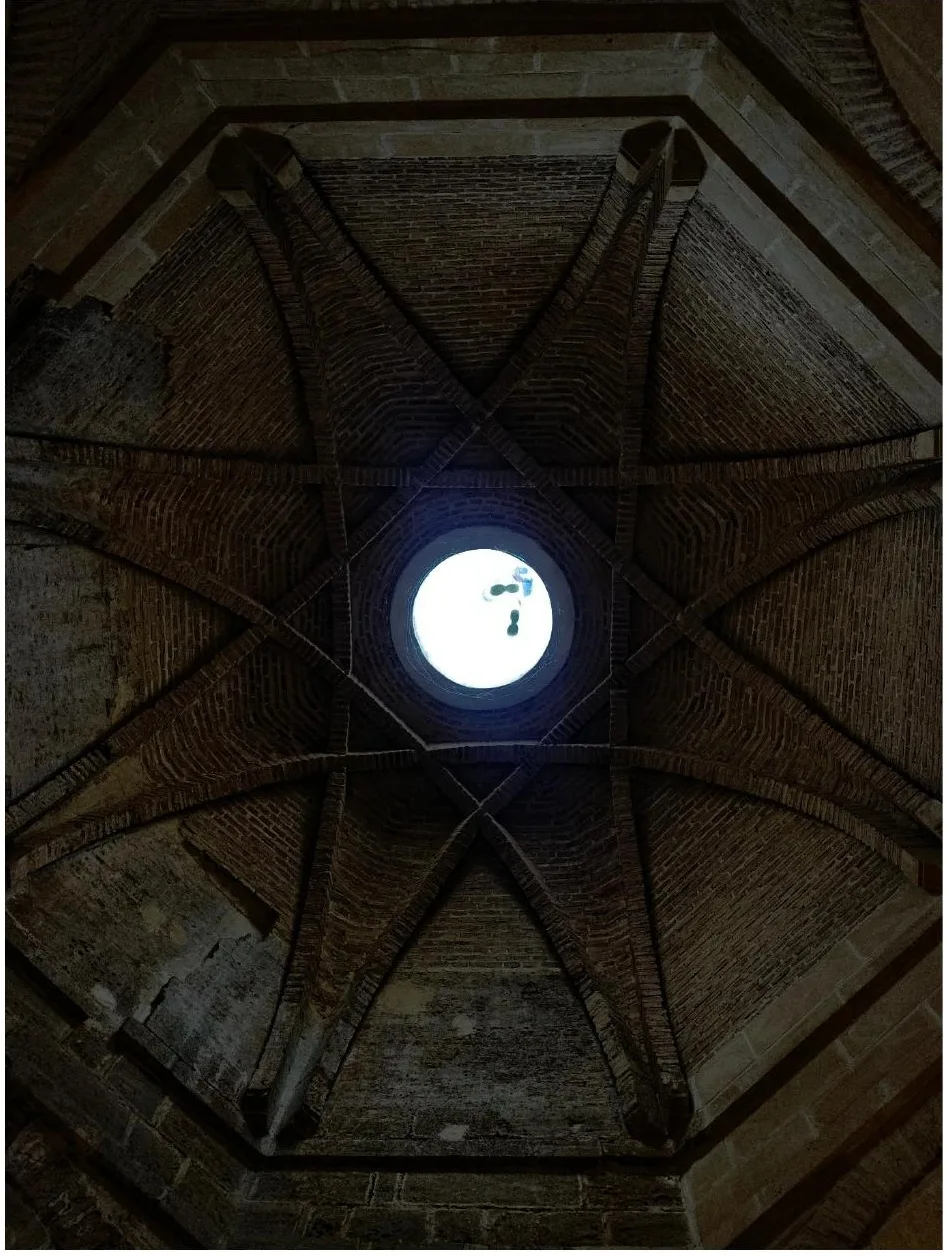
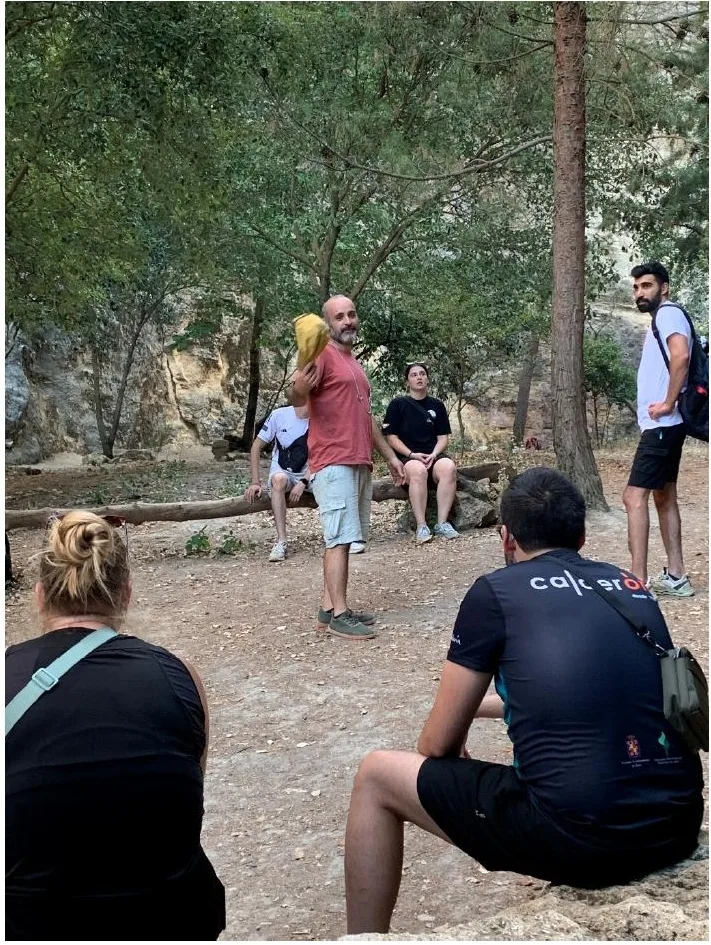
The project also included direct contact with the local environment and heritage. Daniel visited olive farms and learned about the hard work and passion behind olive production. He explored La Fortaleza de la Mota and connected with the historical identity of the town. He also walked La Ruta de los Zumaques, visited Las Cuevas de Alcalá, and discovered new parts of Alcalá, including areas that are not always part of the usual tourist routes. Another important visit was to El Huerto Ecológico Eco-Saul, where he learned about sustainability, respect for nature, and different ways of farming.
Daniel also supported the communication between local companies and international volunteers from Hungary, Morocco, and Türkiye. Acting as an interpreter helped him contribute practically to the team and strengthen his communication skills. Through these activities, he developed new digital skills, built intercultural awareness, and reflected on the potential of young people in rural communities.
A key personal lesson from the project was the importance of looking at the rural world with different eyes. Daniel reflected that connecting with different cultures helped him develop a more global mindset rather than only a local vision. This experience was also connected to his International Trade studies, where openness, respect, and intercultural understanding are important.
For Daniel, LearnInRural was not only an activity period. It was the beginning of a process. As he described it, the seed planted at the beginning of the first cycle of the volunteering project may continue to grow in the future.
“Connecting with different cultures helped me develop a global mind instead of only a local vision. This idea also helps me in my International Trade studies, to be more open and respectful.”