Small Contributions, Strong Community Impact in Rural Spain
As a volunteer in the LearnInRural project, I describe myself as someone who values social impact, prioritises learning, and is committed to supporting the development of young people living in rural areas. My previous experiences in youth work, camp leadership, field research, project writing, and community-based activities have strengthened my interest in social responsibility.
I consider myself a person who communicates effectively, approaches challenges with a solution-oriented mindset, and enjoys taking responsibility within a team. These qualities allowed me to contribute meaningfully both to the project team and to the young people we worked with.
My motivation for joining this project came from my desire to improve educational opportunities for young people in rural regions and to help them realise their potential. In some rural communities, access to learning environments can be limited, which makes volunteering not only a personal choice for me, but also a responsibility. Throughout the project, I witnessed how improving learning spaces can positively affect young people, not only academically, but also by increasing their confidence, social skills, and perspectives on life. Seeing this impact strengthened my commitment and enthusiasm.
This experience also contributed to my own personal and professional development. I improved my cultural awareness, teamwork skills, problem-solving abilities, leadership, and capacity to take initiative. For me, LearnInRural was more than a volunteering activity. It was a meaningful journey of learning, solidarity, and contribution to social transformation.
Alcalá la Real, located in southern Spain, is a region with clear rural characteristics, known for its natural beauty and traditional way of life. However, like many rural areas, it also faces several challenges that directly influence community life. One of the most significant difficulties is the limited access to education and employment opportunities for young people. The distance from major cities, restricted transport options, and an economy largely dependent on agriculture and seasonal work make it difficult for many young residents to plan their futures locally. As a result, many young people feel compelled to move to larger urban areas, contributing to a gradual decline in the rural youth population.
Another challenge of rural life in Alcalá la Real is the limited access to social services and cultural activities. Services such as healthcare, education, and social support can be less accessible and slower than in urban centres. This particularly affects vulnerable groups in their daily lives. Despite these structural challenges, community life in Alcalá la Real is strengthened by a strong culture of solidarity. Neighbourly relations remain close, mutual support is common, and the hospitality of local people contributes to a sense of security and belonging.
The region is also rich in cultural heritage, with various festivals, local events, and traditional celebrations that reinforce community cohesion. These activities help preserve cultural identity while also encouraging young people to take part in social life. Although rural life presents certain limitations, Alcalá la Real stands out as a place where community spirit, solidarity, and a strong sense of belonging help balance these challenges. In this way, it serves as a meaningful example of how rural regions can maintain resilience and social unity despite structural difficulties.
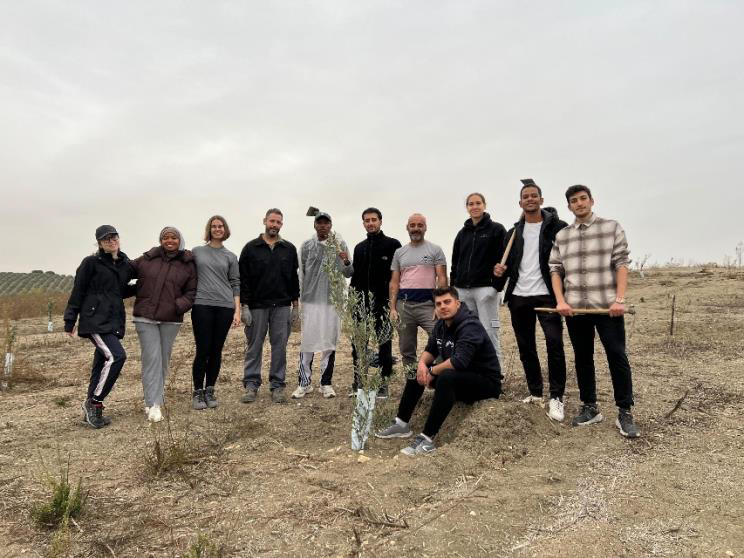
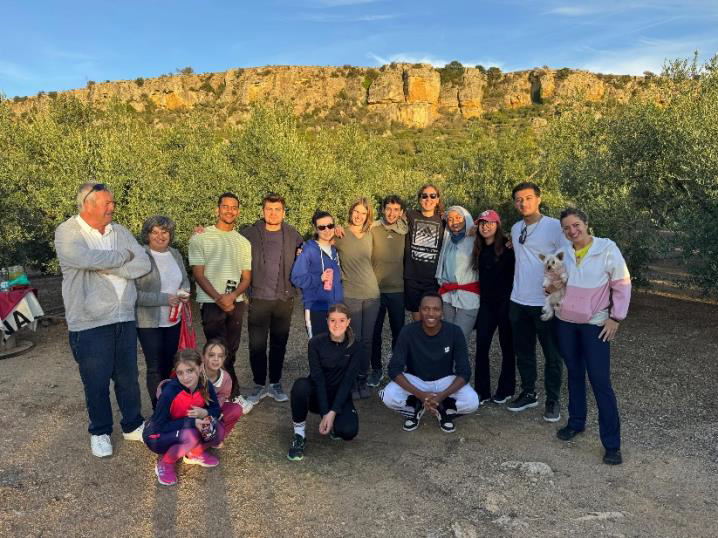
During my time in the LearnInRural project, I had the opportunity to take part in a variety of meaningful activities that allowed me to contribute to the community while also growing personally. One of the most memorable experiences was working in the olive fields, collecting olives, planting new olive trees, and learning about local agricultural traditions. This hands-on work gave me a deeper understanding of rural labour, sustainability practices, and the strong connection between the people of Alcalá la Real and their land. We also produced our own olive products, which was both educational and a unique cultural experience.
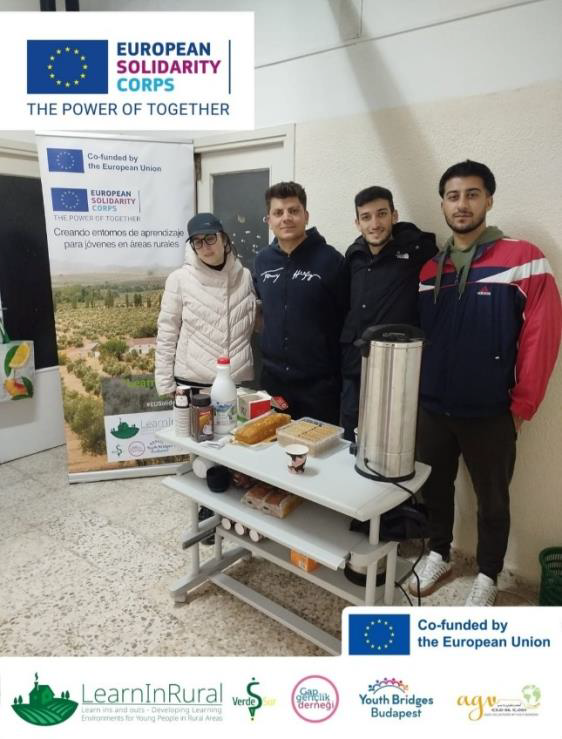
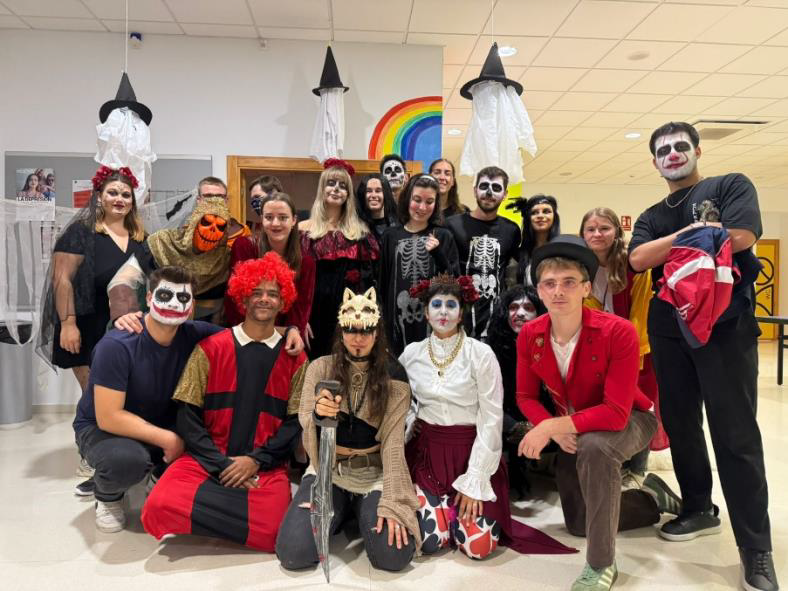
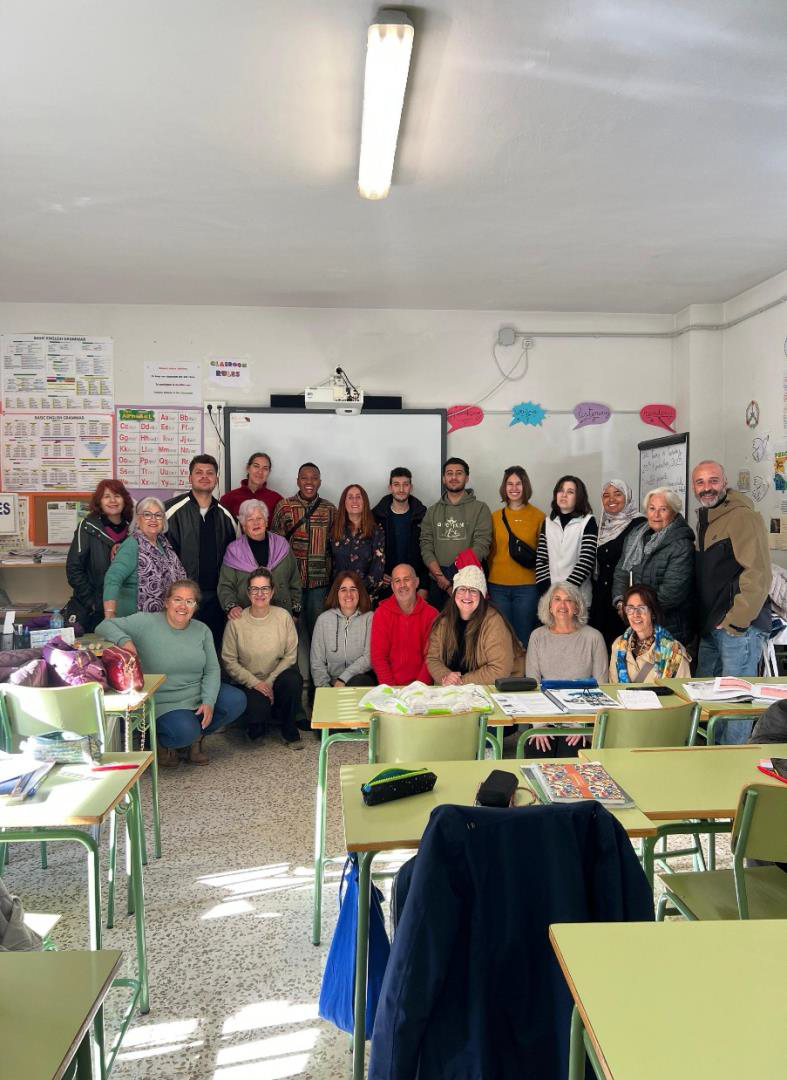
Another important part of my experience was participating in English-speaking clubs, where we interacted mostly with older local residents. Through conversations, games, and group activities, we helped build a bridge between generations and cultures. Joining these sessions improved my communication skills and helped me better understand Spanish rural community life. We also took part in Spanish-speaking activities, including a Halloween event, which allowed us to experience local traditions and social dynamics more closely.
Beyond cultural exchange, I also joined social assistance programmes and community support activities. These opportunities taught me the importance of solidarity, teamwork, and empathy, which are essential values in rural community engagement. Each activity, from volunteering to language events, helped me develop patience, adaptability, and a stronger sense of social responsibility.
Overall, my experience was rich, meaningful, and transformative. I gained practical skills, cultural awareness, and valuable human connections. The most important lesson I learned is that even small contributions can create a significant positive impact in rural communities, especially when they are based on collaboration, respect, and genuine engagement.
My time in the LearnInRural project was not only an opportunity to contribute to the community, but also an intensive period of personal growth. Interacting with people from different cultures, communicating with various age groups, and participating in diverse social activities greatly strengthened my empathy and understanding. Observing the challenges of rural life and experiencing the local culture of solidarity taught me patience, tolerance, and a deeper sense of social responsibility.
During the daily activities, solving problems, learning new skills, and collaborating effectively within a team strengthened my leadership and communication abilities. Participating in English-speaking clubs and social assistance programmes helped me improve my language skills and increased my self-confidence. Taking on different tasks and responsibilities also allowed me to discover my limits and improve my adaptability.
Overall, this project gave me important gains both professionally and personally. I learned to be more understanding and patient when interacting with others, to adapt quickly to new situations, and to take responsibility. This experience was not just a volunteering activity for me. It was a valuable process that broadened my perspective on life and contributed meaningfully to my personal development.