Volunteering, Nature, and Community Life in Alcalá la Real
“Overall, my time in Alcalá la Real has been incredibly meaningful. I not only contributed to the community but also learned about myself.”
My name is Ömer, and I participated in the LearnInRural project in Alcalá la Real, Spain, from 1 September to 15 October 2025. I joined the project because I wanted to contribute to local communities, discover rural lifestyles, and improve both my personal and professional skills through volunteering.
Before coming to Spain, I was interested in how people in small towns live, especially how migration and agriculture shape their daily routines. Coming from a country where rural culture is also strong, I wanted to compare the similarities and differences between my hometown and rural life in Spain. This project gave me the opportunity to work in an international team, practice Spanish, and better understand how solidarity and cooperation can support small communities.
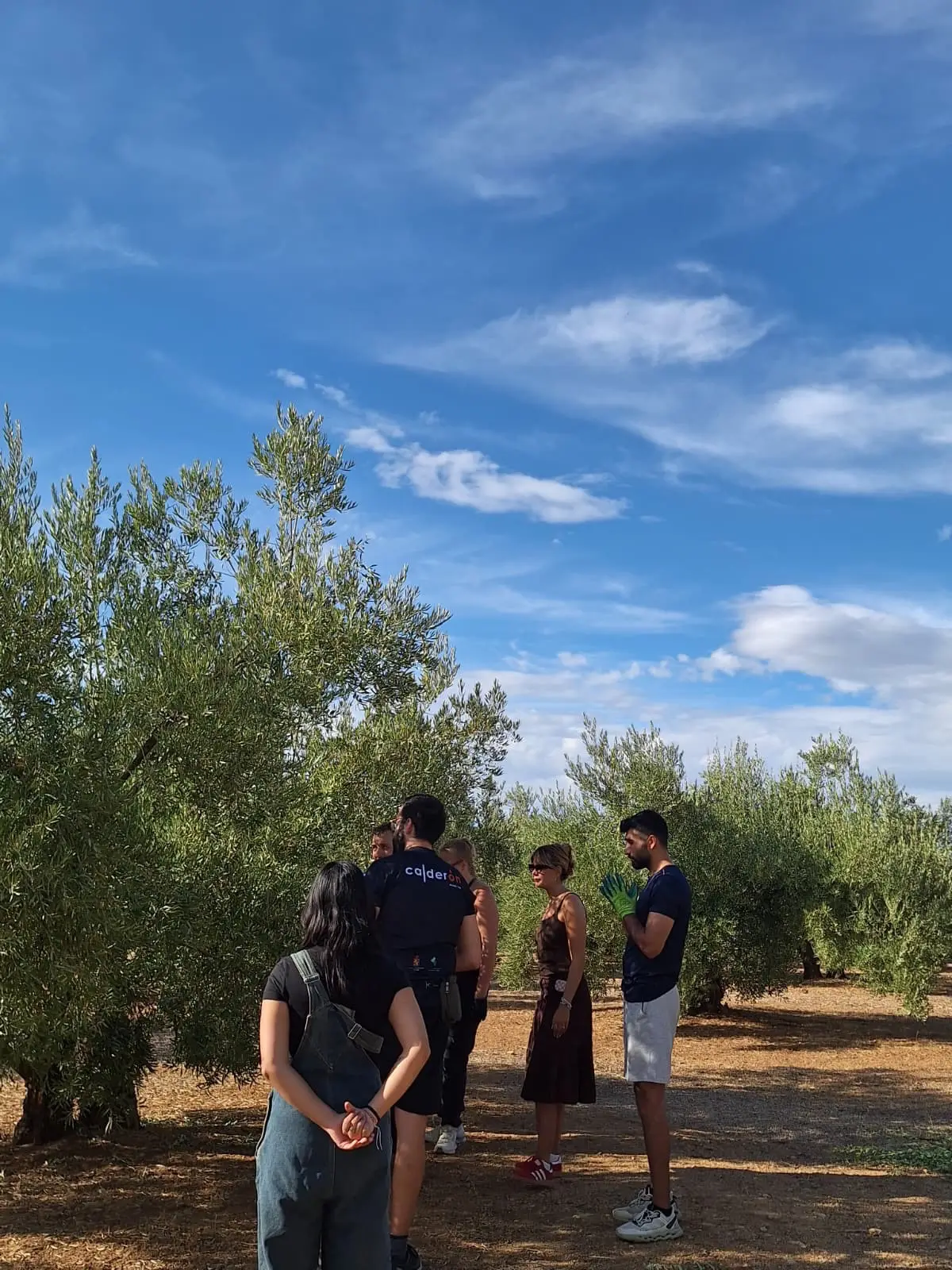
Alcalá la Real is a quiet and charming town in southern Spain. One of the most important parts of its identity is olive farming, which is also the main source of income for many families. During the project, I observed how closely local life is connected to agriculture. The olive fields are not only part of the landscape, but also part of people’s work, traditions, and daily conversations.
At the same time, I saw that rural communities face real challenges. Many young people leave small towns to look for better opportunities in larger cities. This creates a gap in the workforce and affects the rhythm of rural life, especially during agricultural seasons. The project helped me understand that rural areas need both local commitment and new ideas to stay active and sustainable.
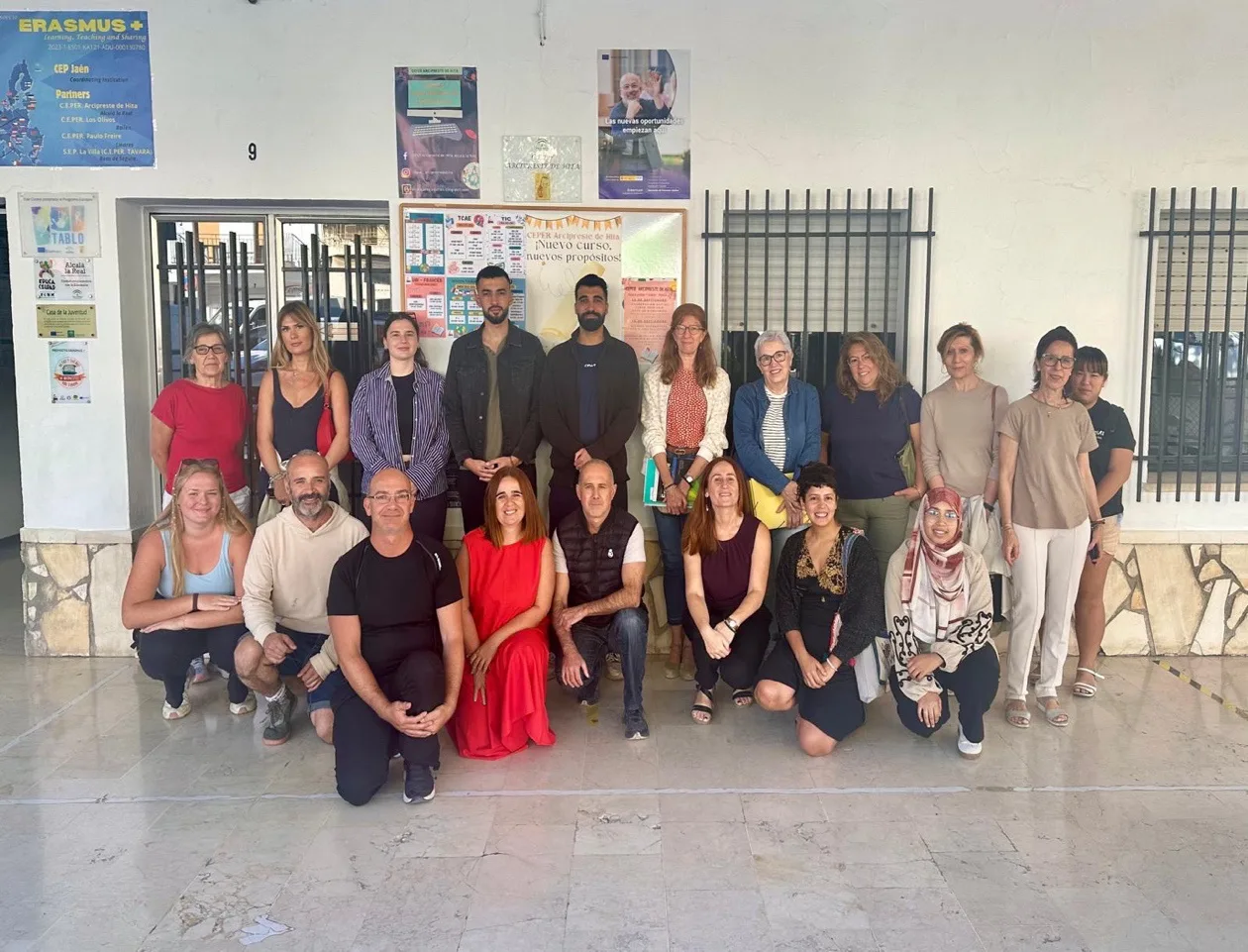
One of the things I appreciated most was the kindness of local people. Even though Spanish was the main language spoken in the town, communication did not feel like a barrier because people were welcoming and patient. I felt that there was a real sense of community. People supported each other, respected traditions, and were proud of their local identity.
The project also helped me understand the connection between rural development and environmental awareness. Local organizations are active in areas such as sustainability, reforestation, and waste management. As volunteers, we took part in eco-friendly activities, including tree planting and collecting waste during hiking trips. These activities helped me see environmental care as a practical part of rural life, not only as an idea.
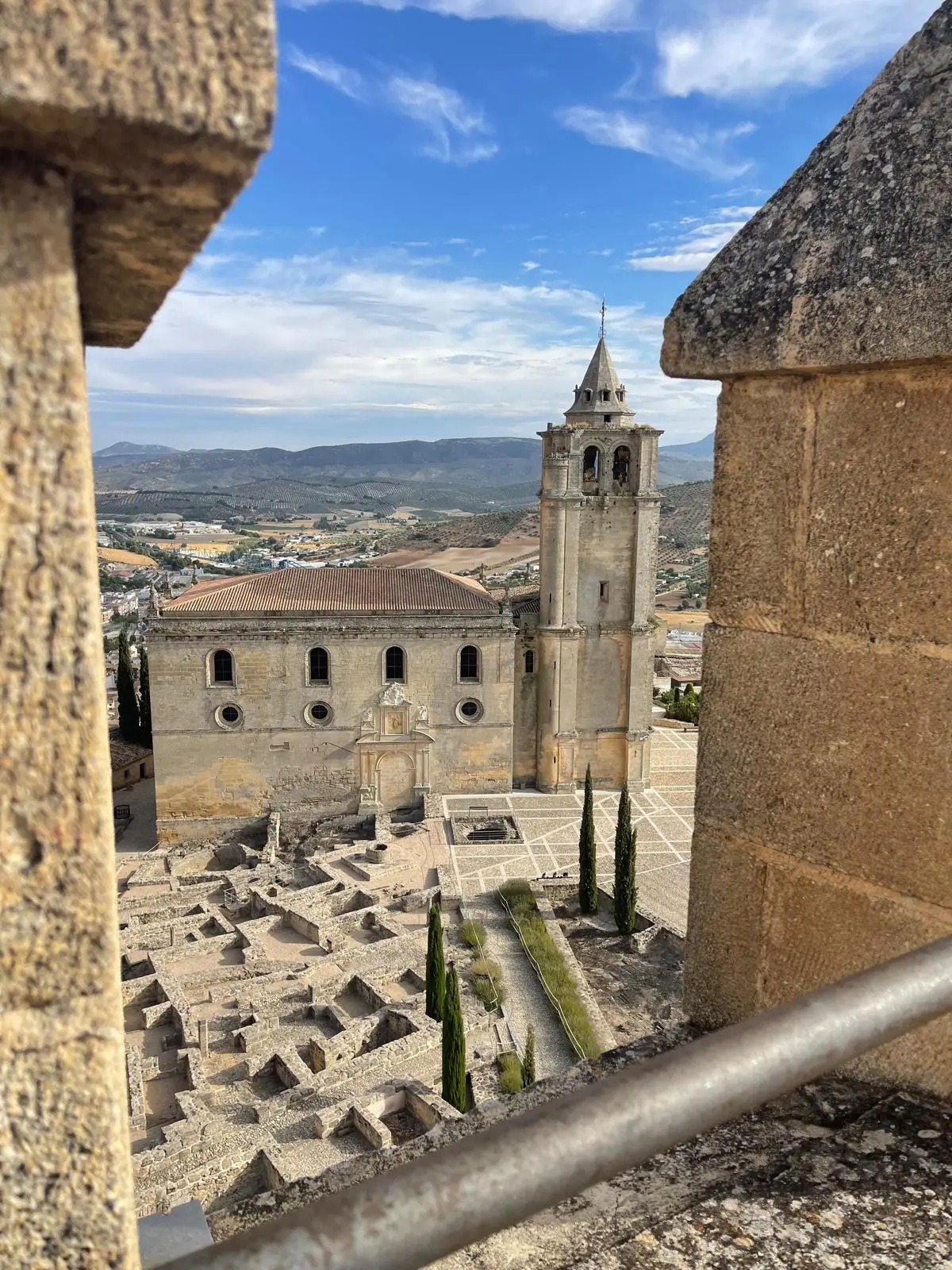
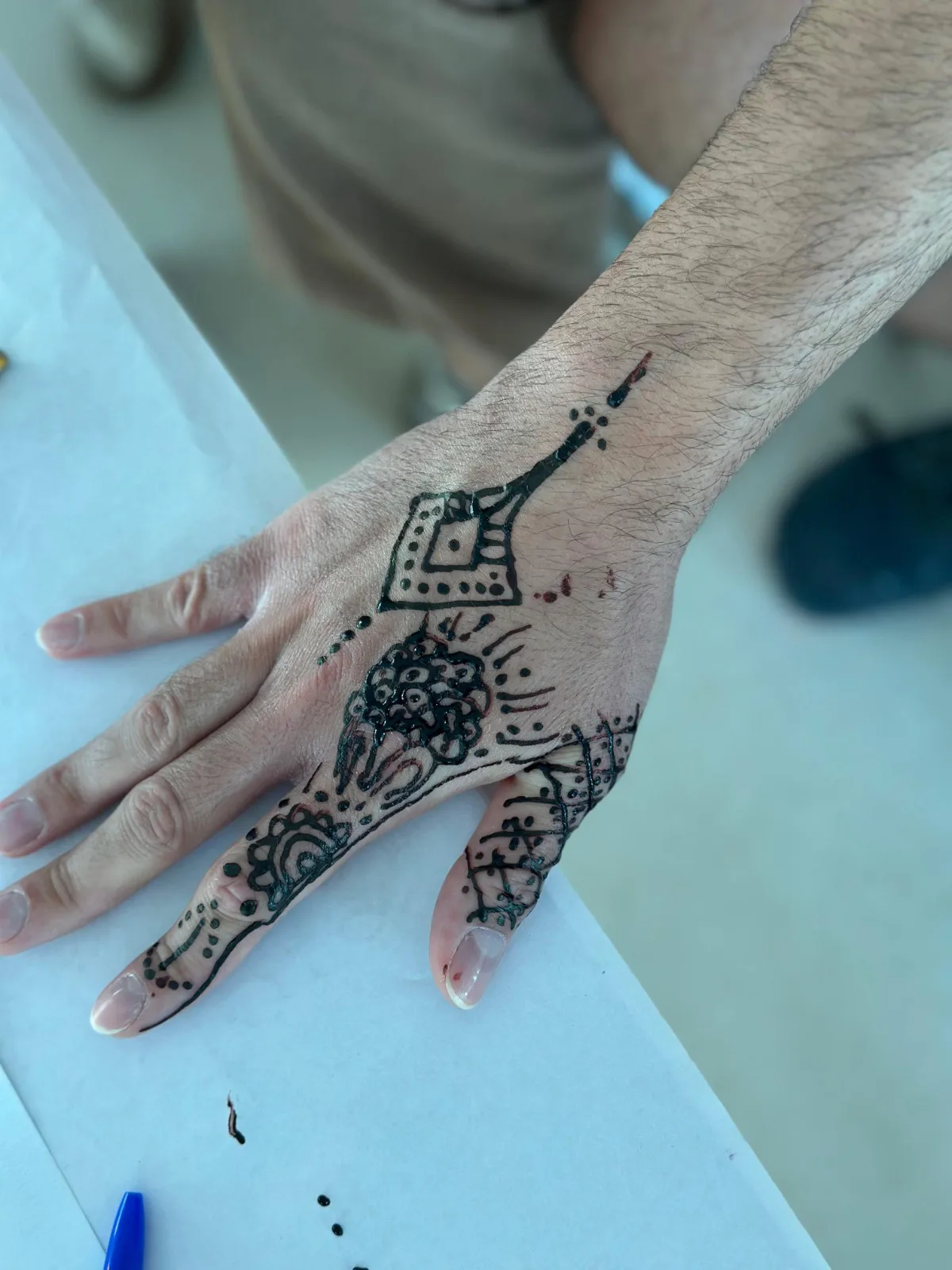
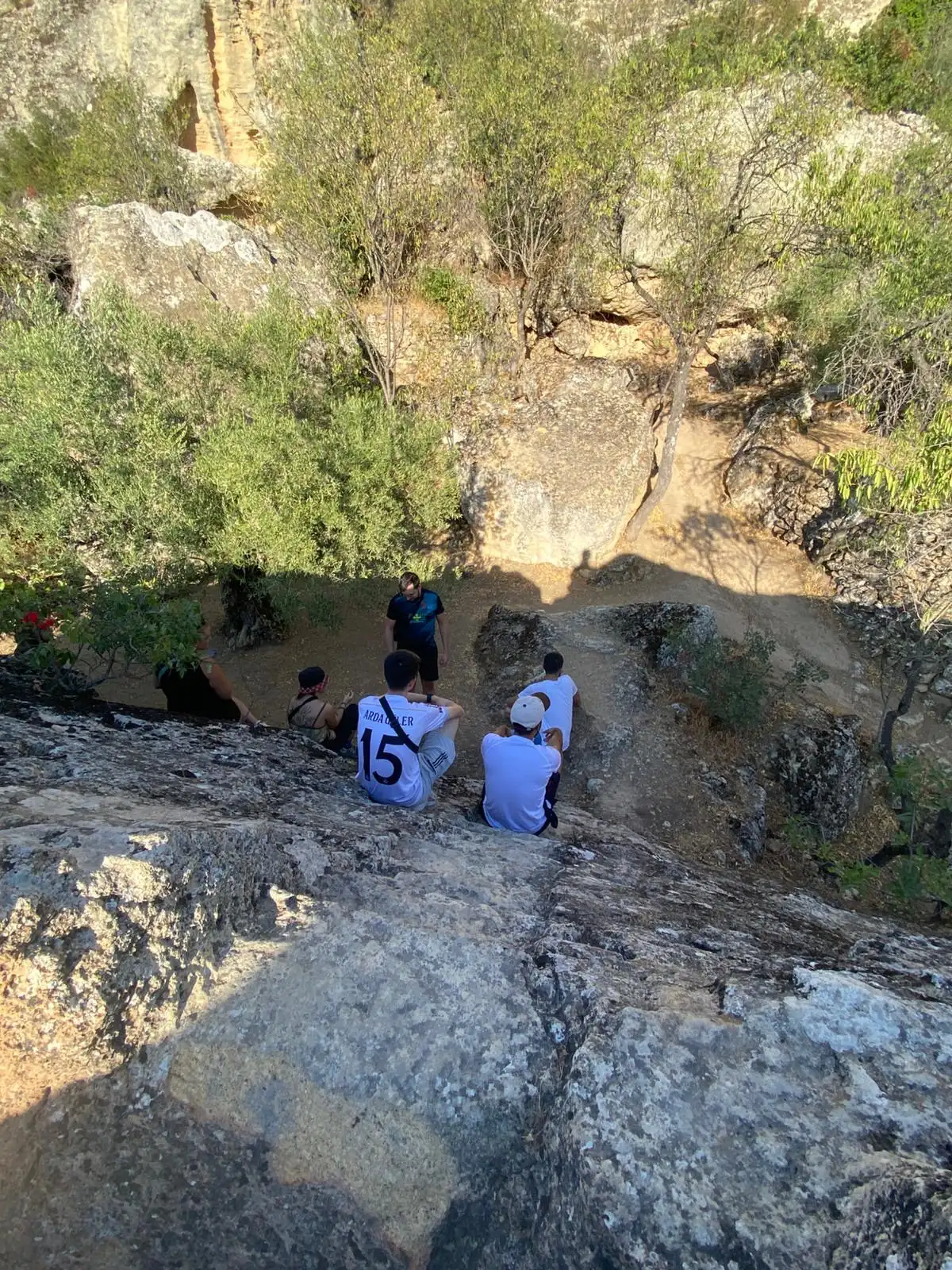
During the project, I joined several activities that combined environmental awareness, cultural exchange, and social inclusion. We hiked in the mountains, collected waste to protect nature, planted trees, interviewed local residents, visited olive fields, and organized creative workshops and games for children. Each activity gave me a different perspective on the community and helped me feel more connected to the place.
Working with children was especially useful for my personal development. It helped me improve my communication, patience, and teamwork skills. These activities were not only about organizing games or workshops, but also about learning how to adapt, listen, and create a positive environment for young participants.